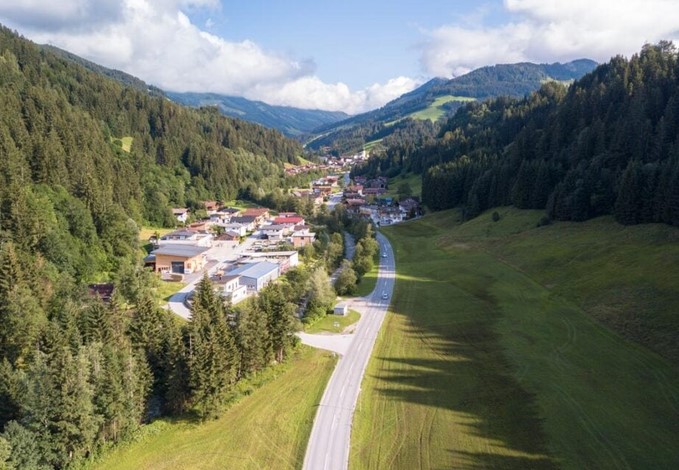
 You pull into a remote gas station at dusk somewhere along the rugged Atlantic coast, fuel needle hovering just above empty. Instead of paying $300 for a resort room, you roll down your window, smell the salt air, and pop open the trunk to grab a hot camp meal cooked over a $15 portable stove. Your total expense for three days of breathtaking ocean views and scenic mountain passes? Less than a single night at a mid-tier airport hotel.
Over my ten years of driving across more than 60 countries, I have learned that long-distance overland travel is the ultimate equalizer. Too many travelers assume that taking to the open road requires an expensive fully-outfitted camper van or thousands in car rental fees. The truth is that executing memorable budget road trips comes down to route selection, fuel efficiency strategies, and knowing how to bypass commercial tourist traps along the highway.
The Road Trip Economy (The Commercial Flight vs. Open Highway Analogy)
To understand why self-drive overland travel offers unmatched value, compare it to traditional commercial travel:
-
Commercial Airline Travel (The Fixed System): Every luggage bag, seat upgrade, schedule change, and airport sandwich carries an inflated markup. You pay for rigid speed, but lose flexibility and control over your itinerary.
-
The Self-Drive Highway (The Flexible Sandbox): You control the pace, accommodation, and dining choices. Your vehicle doubles as transport, luggage storage, and a mobile pantry, cutting variable travel costs drastically.
When you design smart budget road trips, you turn transit itself into the main event while keeping daily expenses surprisingly low.
Technical Elements of Budget Overland Logistics
Planning a low-cost long-distance drive requires a firm handle on vehicle mechanics, fuel dynamics, and campsite logistics.
+-----------------------------------------------------------------------+
|                    OVERLAND BUDGET OPTIMIZATION                       |
+-----------------------------------+-----------------------------------+
                                    |
          +-------------------------+-------------------------+
          |                                                   |
          v                                                   v
+-------------------+                               +-------------------+
| Fuel Economy &    |                               | Free & Dispersed  |
| Aerodynamic Drag  |                               | Camping Mechanics |
+-------------------+                               +-------------------+
          |                                                   |
          +-------------------------+-------------------------+
                                    |
                                    v
+-----------------------------------------------------------------------+
|                    STRATEGIC ROAD TRIP EXECUTION                      |
|      (Offline Vector Maps, Vehicle Checks, Mobile Pantry Setup)       |
+-----------------------------------------------------------------------+
1. Aerodynamic Drag and Speed Mechanics
Fuel is often your largest single line-item expense. Driving at 65 mph (104 km/h) instead of 75 mph (120 km/h) improves fuel efficiency by up to 15%. Removing heavy roof racks when not in use and maintaining correct tire pressure reduces rolling resistance, keeping more cash in your wallet.
2. Dispersed Camping and Public Land Rights
Unlocking zero-cost accommodations relies on understanding public land policies. In North America, Bureau of Land Management (BLM) areas offer free dispersed camping, while northern Europe operates under Right to Roam (Allemansrätten) laws, permitting wild camping on uncultivated land.
3. Route Segmenting and Toll Avoidance
Highway tolls and express lanes consume fuel and budget quickly. Utilizing offline GPS routing to bypass toll roads often redirects you onto scenic secondary highways, yielding authentic small-town stops and cheaper regional fuel stations.
Top Low-Cost Iconic Drives Around the World
Choosing the right corridor allows you to maximize scenic output while keeping vehicle rental, fuel, and lodging costs manageable.
| Route & Country | Total Distance | Recommended Duration | Primary Cost Saver | Terrain & Scenic Highlights |
| Garden Route (South Africa) | 300 km / 186 mi | 5 – 7 Days | Affordable self-catering coastal cabins | Coastal cliffs, indigenous forests, wildlife reserves |
| Ring Road (Iceland) | 1,332 km / 828 mi | 8 – 10 Days | Campervan rental replacing expensive hotels | Waterfalls, volcanic fields, black sand beaches |
| Wild Atlantic Way (Ireland) | 2,500 km / 1,550 mi | 10 – 14 Days | Free coastal parking & bed-and-breakfasts | Dramatic sea cliffs, historic ruins, fishing villages |
| Route 66 / Desert Southwest (USA) | 1,600 km / 1,000 mi | 7 – 9 Days | Abundant BLM free dispersed camping sites | Red rock canyons, iconic desert spans, vintage diners |
Expert Advice: Pro Tips and Hidden Pitfalls from the Open Road
Having logged hundreds of thousands of miles across global highways, here are practical insights to safeguard your budget and vehicle:
Pro Tip: Download Offline Navigation Maps Before Hitting Dead ZonesNever assume you will have cellular data along remote mountain passes or desert spans. Download offline vector maps using apps like Maps.me or Gaia GPS before leaving major cities. This prevents costly navigation errors and fuel-wasting detours when signals drop.
Hidden Pitfall: The One-Way Rental Drop-Off Fee TrapPicking up a rental car in one city and dropping it off in another can trigger hidden “one-way drop fees” ranging from $200 to $600. Always design loop itineraries that start and finish at the same regional hub to avoid steep supply charges.
Step-by-Step Budget Road Trip Framework
Follow this practical planning roadmap before turning the ignition key:
Step 1: Map a Loop Route to Eliminate One-Way Drop-Off Fees
   │
   ▼
Step 2: Inspect Vehicle Fluid Levels, Tire Pressure, & Spare Tire
   │
   ▼
Step 3: Stock a Mobile Pantry & Coolers with Local Grocery Supplies
   │
   ▼
Step 4: Locate Free Dispersed Campsites or Low-Cost Guesthouses
   │
   ▼
Step 5: Track Fuel Consumption & Maintain Steady Highway Speeds
-
Pre-Stock a Vehicle Pantry: Visit local grocery stores before departing major towns. Buying staple snacks, water jugs, and quick-cook meals saves up to 70% compared to buying food at highway service stations.
-
Perform a Pre-Drive Safety Audit: Check oil levels, coolant, windshield washer fluid, and tire pressure before heading out. Verifying your spare tire and jack works properly prevents expensive roadside assistance fees in remote areas.
-
Use Gas Comparison Apps: Download fuel tracking apps to compare gas prices along your route. Fuel prices often vary by 20% or more between highway exit plazas and nearby small town stations.
-
Pack a Dedicated Vehicle Emergency Kit: Always carry a portable jump-starter power bank, basic hand tools, headlamps, extra water, and a high-visibility vest in your trunk.
The True Freedom of the Open Road
The magic of taking budget road trips isn’t about reaching a fancy destination—it is the absolute freedom to pull over whenever a hidden valley, historic landmark, or dramatic ocean view catches your eye. By mastering route planning, fuel management, and smart lodging choices, you unlock unforgettable landscapes without overspending.
What is your favorite road trip route, or where are you planning to drive next? Have a budget driving tip or a funny road story from your travels? Drop your thoughts, questions, or tips in the comments below—let’s keep the journey going!

