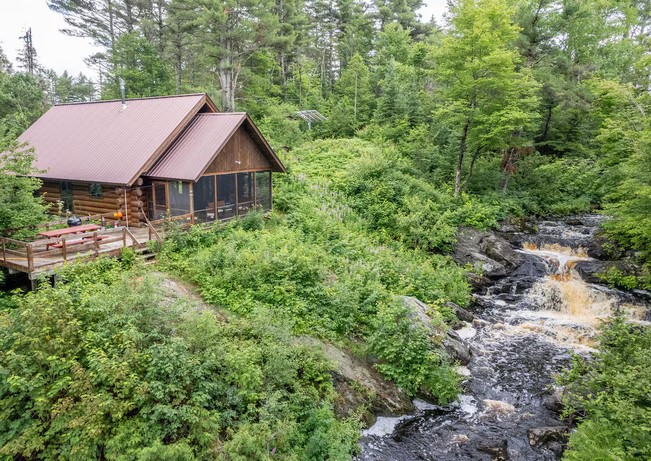
Picture this: you are sitting on a timber deck at dusk, wrapped in a heavy wool blanket, watching mist roll over pine-covered peaks with a hot mug in hand. There are no notification pings, no traffic sounds, and not a single soul within miles. Then the temperature drops drastically, the off-grid solar power dips, and you realize you have no idea how to operate the cabin’s wood-burning stove or reset the satellite water heater.
Over my ten years of trekking, off-grid living, and scouting high-altitude retreats around the globe, I have seen this scenario play out time and again. Modern life has driven an unprecedented surge in people seeking total isolation, yet bridging the gap between dreaming of off-grid living and safely enjoying remote mountain cabins requires more than just booking a pretty listing online.
If you are a beginner or intermediate traveler craving true peace without sacrificing essential safety or fundamental comfort, this comprehensive guide will help you select, prepare for, and master your next wilderness cabin getaway.
The Appeal of Isolation: Beyond the Typical Nature Getaway
Staying in a secluded mountain haven is radically different from checking into a standard resort or a suburban vacation rental. It requires an active partnership between you and your environment.
The Shift from Passive Lodging to Active Haven Living
A traditional hotel provides passive comfort—everything is automated, managed, and instantly available. In contrast, staying in a remote alpine cabin involves interactive living.
-
Self-Reliance: You manage your own thermal comfort, water usage, and waste management.
-
Intentionally Slow Pace: Routine tasks like chopping firewood, brewing morning coffee, or monitoring power levels become grounding rituals.
-
Deep Environmental Reconnection: Without artificial lighting and constant background noise, your circadian rhythm resets naturally within 48 hours.
Think of a secluded mountain cabin as a autonomous spacecraft anchored in the woods. It has its own limited energy reserve, water store, and heating systems, and you are the chief systems engineer in charge of keeping everything running smoothly.
Off-Grid Tech Demystified: What Every Seeker Should Know
When browsing listings for remote mountain cabins, understanding the technical jargon in the amenities list is crucial for a comfortable, stress-free stay.
                    ┌─────────────────────────────────────────┐
                    │      REMOTE CABIN UTILITY MATRIX        │
                    └────────────────────┬────────────────────┘
                                         │
     ┌───────────────────────────────────┼───────────────────────────────────┐
     ▼                                   ▼                                   ▼
[ POWER SYSTEMS ]                 [ WATER & HEATING ]                [ CONNECTIVITY ]
 • Off-grid Solar & Inverters     • Gravity-fed spring water         • Satellite internet (Starlink)
 • Backup Generator support       • Wood stoves vs. Propane          • Cell boosters & Satellite messengers
 • Battery Bank capacities        • Composting / Septic toilets      • Two-way emergency radios
1. Power Systems: Solar Arrays vs. Backup Generators
Most isolated cabins run on off-grid solar setups backed by battery banks (Lithium-ion or AGM).
-
What to Expect: Ample power for LED lighting, laptop charging, and small fridges during sunny hours.
-
The Reality Check: High-draw appliances like hair dryers, electric kettles, or space heaters can drain the battery bank in minutes. Always check if the cabin features a auto-start backup diesel or propane generator for overcast days.
2. Heating Dynamics: Wood Stoves and Thermal Mass
Central heating is rare in deep mountain locations. Wood-burning stoves remain the gold standard for high-altitude warmth.
-
Hardwood vs. Softwood: Kiln-dried hardwoods (like oak or maple) burn slowly and generate steady thermal heat, while softwoods (like pine) burn fast and hot—ideal for starting fires.
-
Damper Control: Adjusting the stove’s air intake controls how fast the wood burns overnight, keeping the interior warm until morning.
Preparing for Your Remote Stay: Logistics and Provisions
When heading to a high-altitude or isolated location, you cannot simply run to the corner store if you forget a crucial item. Preparation is your absolute safety net.
Essential Meal Planning and Rationing
Planning meals for a week in an isolated cabin requires a strategic grocery list focused on shelf stability and caloric density.
-
Pantry Staples: Stock up on grains (quinoa, rice, oats), canned proteins, root vegetables (potatoes, onions, carrots), and healthy fats (olive oil, nuts, peanut butter).
-
Fresh Produce Strategy: Eat delicate greens and berries during the first 48 hours, transitioning to hardier produce later in the week.
-
Emergency Surplus: Always pack an extra 3 to 4 days worth of non-perishable food and extra drinking water in case unexpected weather or mudslides block mountain access roads.
Field Observation: Cold mountain air deceives you into feeling less thirsty, leading to silent dehydration and severe altitude headaches. Always boil or filter your drinking water, and aim to drink at least 3 liters daily even when resting indoors.
Safety and Emergency Readiness in the Wild
True solitude comes with a responsibility to manage risks independently. Before settling into your mountain sanctuary, conduct a thorough arrival safety audit.
1. Establish Emergency Communication Channels
Cell service in mountain valleys is notoriously spotty or non-existent.
-
Satellite Messengers: Bring a personal satellite communication device (such as a Garmin inReach or ZOLEO) so you can check in with loved ones or trigger an SOS signal if needed.
-
Local Offline Maps: Download offline mapping applications (like Gaia GPS or AllTrails) and keep a physical topographic map of the surrounding terrain inside your daypack.
2. Verify First Aid and Fire Safety Gear
Upon arrival, locate the safety equipment immediately:
-
Check the expiration date and contents of the first aid kit.
-
Locate the fire extinguisher and test smoke/carbon monoxide detectors (critical when burning wood or propane indoors).
-
Inspect emergency escape routes and ensure snow tools (shovels) are stored indoors near entryways.
Pro Tips and Hidden Warnings for Solitude Seekers
To make your remote cabin retreat as smooth and restorative as possible, keep these field-tested insider tips in mind:
-
Pro Tip: Pre-Drive the Route on Satellite View: Before losing cellular coverage, study your driving route on satellite imagery. Mountain logging roads often lack signage, and standard GPS navigation apps can incorrectly route you down impassable gravel tracks.
-
Hidden Warning: Watch Out for Frozen Pipe Protocols: If visiting during winter or early spring, never turn off backup heating units completely when stepping out for a day hike. Water pipes can freeze and burst within hours, causing massive structural damage and leaving you without water.
-
Pro Tip: Pack a High-Lumen Headlamp and Spare Power Bank: Outdoor lighting around isolated cabins is minimal to preserve dark sky views. A hands-free headlamp (at least 300 lumens) makes navigating woodpiles or generator sheds after dark safe and easy.
-
Hidden Warning: Respect Local Wildlife Guidelines: Storing trash outside or leaving food scraps on the porch will attract bears, raccoons, or rodents. Keep all organic waste inside sealed bear-proof containers or designated indoor storage bins until departure.
Reclaim Your Peace in the High Country
Escaping to remote mountain cabins is far more than an aesthetic vacation trends—it is an opportunity to slow down, build self-reliance, and recharge your mental reserves in nature’s quietest corners. With the right technical understanding, proper logistical prep, and respect for wild spaces, your journey into solitude will be as comfortable as it is deeply inspiring.
Over to You: Are you planning your very first off-grid cabin retreat this year, or do you have a favorite remote mountain spot you keep going back to? What is your biggest challenge when stepping away from modern conveniences? Leave a comment below, and let’s discuss your ideal wilderness escape!
