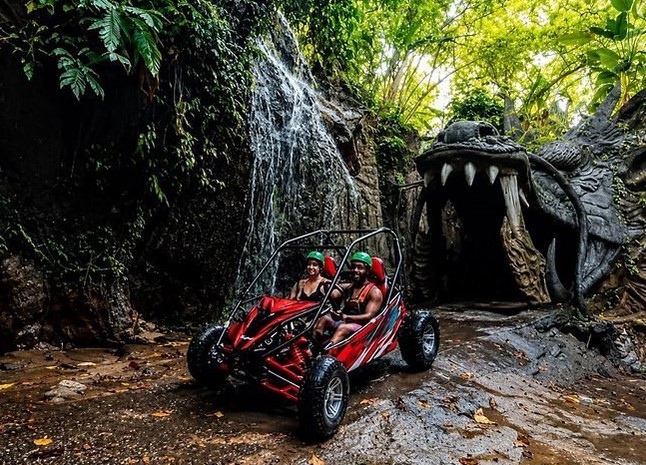
Picture this: You are standing ankle-deep in mud inside a primary rainforest, ambient humidity clinging to your skin like a warm towel. The canopy overhead is so dense that noon feels like twilight. Suddenly, a screech echoes through the trees, followed by the heavy rustle of leaves as an orangutan swings across the upper foliage, just twenty feet above your head.
There are no paved boardwalks here. No selfie sticks blocking your view, and definitely no cell reception.
After spending more than a decade hacking through remote wilderness, sleeping in hammocks, and navigating untamed river systems across Southeast Asia and Latin America, I’ve learned one absolute truth: popular nature trails give you a postcard view, but embarking on true offbeat jungle adventures grants you an unfiltered backstage pass to the natural world.
For beginners and intermediate explorers seeking to step off the beaten track without getting hopelessly out of your depth, this deep-dive guide breaks down how to plan, execute, and survive your first real expedition into the wild.
Why Ditch the Tourist Trails? The Off-Grid Equation
Most travelers stick to sanitized national park loops because they offer predictability. However, high-footprint tourist trails suffer from wildlife displacement—animals actively retreat miles away from heavy human noise and foot traffic.
+--------------------------+------------------------------------+------------------------------------+
| Expedition Factor        | Tourist Boardwalk Trails           | Offbeat Jungle Adventures          |
+--------------------------+------------------------------------+------------------------------------+
| Wildlife Visibility      | Low (Habituated/Scared away)       | High (Native habitat dynamics)     |
| Human Footprint          | High (Crowds, paved paths)         | Minimal (Untouched primary forest) |
| Physical Engagement      | Easy (Casual walking)              | Moderate to High (Bushcraft skills)|
| Navigation Complexity    | Zero (Self-guided signage)         | High (Local tracker mandatory)     |
+--------------------------+------------------------------------+------------------------------------+
Stepping into lesser-known rainforest zones is like switching from watching a high-definition documentary to stepping inside the screen. The sounds are louder, the colors are richer, and every step requires active mindfulness.
Decoding Rainforest Ecosystems: Primary vs. Secondary Forests
Before booking your trip, you need to understand the terrain you are stepping into. Not all jungles are created equal, and choosing the right biome dramatically alters your experience.
                      [ JUNGLE CANOPY STRATA ]
                     /           |            \
            Emergent Layer   canopy Layer  Understory Layer
            (150+ feet)     (100 feet)     (0 - 20 feet)
1. Primary Rainforests (Old-Growth)
-
Characteristics: Ecosystems that have remained undisturbed for centuries. Towering hardwood trees create a dense upper canopy that blocks up to 95% of sunlight from reaching the floor.
-
My Insight: Counter-intuitively, walking through primary forest is often easier on the ground than secondary forest. Because little sunlight hits the ground level, there is far less thick underbrush (choke-weed) blocking your path. You walk among giant buttress roots under a natural green cathedral.
2. Secondary Rainforests (Regrowth)
-
Characteristics: Areas recovering from past clearing, logging, or natural disasters. Sunlight hits the ground directly, sparking dense, tangled vegetation.
-
Why it Matters: Navigating secondary jungle requires constant hacking with a machete or pushing through thorny thickets. It is far more physically exhausting for beginners than deep primary forest trekking.
Top 3 Offbeat Jungle Destinations for Emerging Adventurers
If you are looking for raw wilderness that remains accessible for beginners and intermediate trekkers with a guide, add these extraordinary spots to your bucket list:
+-----------------------------------+--------------------+------------------------+-------------------+
| Region / Wilderness Zone          | Best Season        | Primary Wildlife       | Difficulty Level  |
+-----------------------------------+--------------------+------------------------+-------------------+
| Leuser Ecosystem (Sumatra, ID)    | Dry Season (Jun-Sep)| Orangutans, Hornbills  | Moderate - Hard   |
| Corcovado National Park (Costa R.)| Dec to April       | Tapirs, Harpy Eagles   | Moderate          |
| Danum Valley (Borneo, Malaysia)   | Mar to October     | Pygmy Elephants, Gibbons| Easy - Moderate  |
+-----------------------------------+--------------------+------------------------+-------------------+
1. The Deep Leuser Ecosystem – Sumatra, Indonesia
-
The Vibe: One of the last places on Earth where wild orangutans, rhinos, elephants, and tigers still co-exist in the wild.
-
The Experience: Bypassing touristy day-hikes to head deep into multi-day river-trekking loops. Sleeping in makeshift riverside camps and listening to the nocturnal calls of the jungle is unforgettable.
2. Danum Valley Conservation Area – Sabah, Borneo
-
The Vibe: An ancient 438-square-kilometer expanse of untouched lowland dipterocarp forest.
-
The Experience: Exceptional night safaris where you can spot tarsiers, flying squirrels, and slow lorises guided by expert indigenous naturalists.
3. Corcovado’s Hinterland Trails – Osa Peninsula, Costa Rica
-
The Vibe: Termed by National Geographic as “the most biologically intense place on Earth.”
-
The Experience: Trekking coastal rainforest trails where beach meets jungle, spotting all four Costa Rican monkey species in a single afternoon.
Technical Gear: What Works vs. What Fails in High Humidity
Over ten years of wilderness travel, I’ve seen expensive waterproof jackets turn into portable saunas within five minutes. High humidity flips standard gear logic upside down.
Think of jungle gear like building a breathable water-management system. Your goal isn’t to stay 100% dry—it is to dry out quickly when you stop.
1. Footwear: The Drain-and-Grip Strategy
-
The Mistake: Wearing heavy, waterproof Gore-Tex hiking boots. Once water enters over the collar during a stream crossing, Gore-Tex traps it inside, turning your boots into sloshing buckets.
-
The Solution: Opt for non-waterproof canvas or synthetic trail runners/jungle boots with drainage ports and deep, aggressive rubber lugs. Pair them with synthetic or merino wool socks to prevent friction blisters.
2. Clothing: Synthetic Armor
-
Base Layers: Lightweight, ripstop nylon or polyester long-sleeve shirts and trousers. Long sleeves protect against sharp saw-grass, hanging vines, and biting insects.
-
Colors: Stick to neutral earth tones (khaki, olive, tan). Bright primary colors can alarm wildlife or attract stinging insects like hornets.
3. Pack Protection: Double-Bagging Technique
-
Humidity will penetrate standard zippers. Put your sleeping bag, electronics, and spare clothes inside a heavy-duty waterproof dry-bag inside your main backpack before stepping onto the trail.
Essential Survival & Trail Etiquette Rules
Stepping into wild terrain requires respecting nature’s boundaries. Here are three critical rules every adventurer must follow:
🚨 Hidden Hazard: The “Look Before You Touch” RuleIn dense primary rainforest, never grab a tree trunk, vine, or branch for balance without looking closely first. Countless species—from bullet ants and venomous caterpillars to camouflaged pit vipers and razor-sharp palm thorns—blend seamlessly into bark and foliage. Always inspect your hand placement!
Managing Jungle Leeches
Leeches are harmless, but they can be unsettling for beginners.
-
Prevention: Wear high-top leech socks (tightly woven fabric boots worn over socks and tucked into trousers).
-
Removal: Never burn or salt a feeding leech while it is attached, as this can cause it to regurgitate bacteria into your skin. Simply slide a fingernail or flat card under its suction seal to pop it off safely.
The Defensive Swim & River Crossing Protocol
River crossings are often the most dangerous part of offbeat jungle adventures.
-
Unbuckle your backpack’s hip belt and chest strap before crossing deep rivers. If you slip into swift current, you must be able to shed your heavy pack instantly so it doesn’t pull you under.
The Insider’s Checklist: Preparing for Your First Expedition
-
Hire Indigenous Guides: Never venture deep into uncharted rainforest without a local tracker. Their ability to spot camouflaged wildlife, read weather shifts, and navigate without GPS is invaluable.
-
Hydration Strategy: Dehydration hits rapidly in high humidity. Carry a reliable water purification pump or hollow-fiber membrane filter plus electrolyte replacement tablets.
-
Foot Hygiene Routine: Wash and dry your feet thoroughly every night at camp. Apply anti-fungal powder or barrier cream to prevent tropical foot rot and friction sores.
-
Emergency Communication: Carry a satellite messenger (such as a Garmin inReach) equipped with an interactive SOS trigger, as mobile cellular networks are non-existent in deep valleys.
Ready to Step Into the Wild?
Embarking on offbeat jungle adventures pushes you past your comfort zone, testing your resilience while rewarding you with raw beauty that few people ever witness. The jungle demands respect, preparation, and humility, but it gives back a sense of wonder that stays with you long after the mud washes off your boots.
Pack your gear smartly, trust your local guides, and listen to the rhythmic pulse of the Earth’s oldest living ecosystems.
Over to You! Have you ever trekked through a tropical rainforest, or is an off-grid wilderness expedition sitting at the top of your travel bucket list? Drop a comment below with your thoughts, questions, or favorite offbeat destination—let’s keep the adventure going!

