The steam rises in thick, ethereal plumes, blurring the line between the snow-capped peaks and the shimmering turquoise water at my chin. It is -10°C in the crisp mountain air, but I am suspended in a liquid embrace of 40°C. My heart rate slows, the tension in my shoulders evaporates, and for the first time in weeks, the “digital hum” in my brain goes silent.
In over a decade of traversing the globe’s most restless tectonic plates, I’ve found that hot spring resorts are the ultimate “reboot” button for the human nervous system. We live in an era where 75% of all doctor visits are related to stress-induced ailments. While many see a soak as a mere luxury, those of us who have lived out of a suitcase know that geothermal therapy is a biological necessity.
I’ve sat in the rustic onse of rural Japan and the sprawling mineral complexes of Iceland, and I’ve learned that the difference between a “nice pool” and a “healing spring” lies in the chemistry of the earth itself.
The Alchemy of Earth: Why Geothermal Water Heats Differently
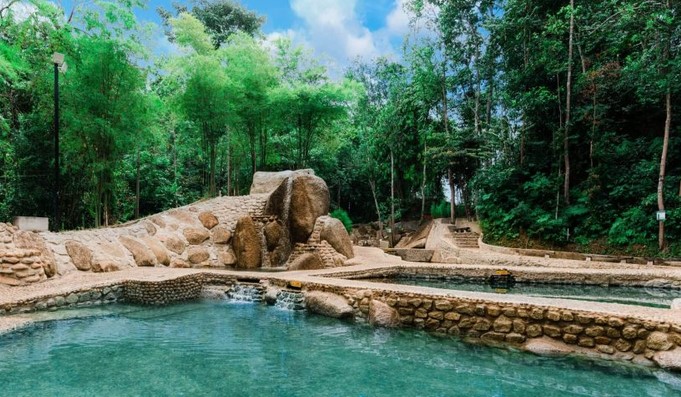
To the untrained eye, hot water is just hot water. But a true hot spring is like liquid geology. Unlike a hot tub, which is essentially a giant kettle of tap water and chlorine, geothermal springs are enriched by a journey through the Earth’s crust.
Think of it like tea vs. plain water. Plain water is fine for a wash, but a hot spring has “steeped” in the minerals of the Earth for centuries. As the water passes through volcanic rock, it dissolves minerals like sulfur, silica, and calcium. When you soak, your skin—the body’s largest organ—absorbs these elements through a process called percutaneous absorption.
This isn’t just “woo-woo” wellness. From a technical standpoint, the hydrostatic pressure of the water increases your blood circulation and oxygen flow, while the minerals act as a natural topical treatment for everything from eczema to joint inflammation.
Global Destinations: Finding the Best Hot Spring Resorts
The world’s best hot spring resorts are usually found on the edges of tectonic plates. Here are the regions where the Earth’s “kitchen” is always cooking.
1. The Japanese Onsen: A Masterclass in Ritual
Japan is the gold standard. Here, soaking is a spiritual and technical art.
-
The Experience: I remember visiting a hidden ryokan (traditional inn) in Hakone. The water was milky white, rich in metasilicic acid, which felt like silk against my skin.
-
Technical Detail: Japanese springs are strictly categorized by their pH levels and mineral content. A “simple” spring is gentle for beginners, while “sulfur” springs are potent and carry that distinct egg-like aroma—the smell of deep-earth purification.
2. Iceland’s Blue Wonders: The Power of Silica
While the Blue Lagoon is the most famous, the real “pro” move is heading to the Sky Lagoon or the Mývatn Nature Baths.
-
The Experience: The water here isn’t just hot; it’s geothermal brine. It is incredibly rich in silica and algae, which creates a natural barrier on the skin, reflecting UV rays and healing micro-tears.
-
The Insight: The “Blue” isn’t a dye; it’s the way light reflects off the silica molecules. It’s essentially a giant, natural exfoliating treatment.
3. The European Spa Towns: Medical Mineralogy
In countries like Hungary and Germany, hot springs are so integrated into health that they are often prescribed by doctors.
-
The Experience: Budapest’s Széchenyi Baths are like soaking in a cathedral. The water comes from two different springs, with temperatures reaching 77°C at the source before being cooled for the pools.
How to Choose a Legitimate Hot Spring Resort
If you are looking for hot spring resorts, you need to look past the Instagram photos and check the “Technical Stats.”
-
Source Verification: Does the resort use “recirculated” water or “flow-through” (kakenagashi) water? A flow-through system means fresh mineral water is constantly entering the pool and old water is drained. This is the gold standard for hygiene and mineral potency.
-
Mineral Analysis: Reputable resorts will display a Chemical Analysis Certificate. Look for high levels of Total Dissolved Solids (TDS). If the TDS is low, you’re basically just sitting in an expensive bathtub.
-
Temperature Management: A real spring shouldn’t be “heated” by a boiler. It should be cooled from its natural volcanic temperature using heat exchangers or by mixing it with pure mountain spring water.
Expert Advice: Navigating the Heat
After a decade of “soak-testing” the world, I’ve developed a protocol that ensures you leave feeling energized, not drained.
Tips Pro: The “Contrast” Secret
Don’t just stay in the heat. The real magic happens in the Vasodilation/Vasoconstriction cycle. Spend 15 minutes in the hot spring, then take a 30-second “Cold Plunge.” This acts like a pump for your lymphatic system, flushing out toxins and instantly boosting your mood via a massive release of norepinephrine.
Hydration is your biggest enemy. Because you don’t “feel” yourself sweating in a 40°C pool, you can dehydrate twice as fast as you would in a desert. I once saw a seasoned traveler faint in an Austrian spa because they skipped water for a glass of wine. Always drink 500ml of water before you enter and 500ml after you exit.
Scannable Checklist for your Hot Spring Visit
-
Remove Jewelry: High sulfur content in hot spring resorts will instantly turn silver black. Leave your rings in the locker.
-
Shower First: This is the universal etiquette. Entering a spring with body oils or perfumes disrupts the delicate chemical balance of the mineral water.
-
Timing: Limit your initial soak to 20 minutes. Let your body recalibrate. Over-soaking in high-mineral water can lead to “thermal fatigue.”
-
Skin Care: Don’t wash the minerals off immediately after you get out. Let them sit on your skin for 30 minutes to maximize absorption.
The Sustainable Impact: Protecting the Heat
The future of hot spring resorts depends on the responsible management of aquifers. Over-pumping can cause a spring to go dry or lose its heat. When choosing a resort, look for those that use Geothermal Reinjection—putting the water back into the ground after it has been used—to ensure the Earth’s “battery” stays charged for centuries to come.
Conclusion: A Return to the Source
There is a reason our ancestors worshipped these places. In a world that demands we be “on” at all times, the hot spring is a place where we are forced to be still. It is a return to the basic elements: heat, water, and earth. Whether you are seeking a cure for a sore back or a quiet space to clear your mind, the Earth is always cooking up exactly what you need.
Have you ever felt the “Zen” of a natural onsen, or are you still searching for your first geothermal escape? If you could soak in any spring in the world tomorrow—from the mountains of Japan to the craters of Iceland—where would you go? Share your dream soak in the comments below!