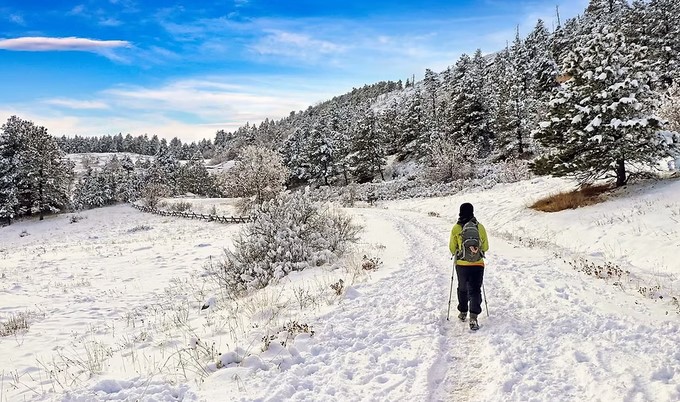
The pine branches above you are bending low, heavy with fresh, powder snow. Every breath you take releases a thick cloud of white vapor into the crisp, sub-zero air. The world around you is wrapped in a muffled, almost magical silence—until your foot steps into a hidden drift, and freezing slush pours straight over the top of your boot, soaking your wool socks instantly. Within twenty minutes, that dampness turns into an icy, throbbing ache that threatens to cut your day short.
A few years ago, during an early winter expedition into the jagged peaks of the Swiss Alps, I learned about cold-weather variables the hard way. I hit the trail wearing a heavy, expensive down jacket over a basic cotton t-shirt, thinking pure thickness equaled safety.
By hour three of climbing, my sweat had trapped itself inside the cotton fibers, turning my shirt into a cold, wet sponge. The moment I stopped to check my map, my core temperature plummeted so fast my hands began to shake uncontrollably.
Over my ten years tracking mountain routes and auditing alpine gear, I have seen thousands of hikers abandon the mountains the moment the temperature drops. But winter doesn’t mean you have to stay indoors.
Engaging in winter snow trekking allows you to experience iconic landscapes completely stripped of summer crowds. Let’s look at how to manage the harsh microclimates, pick the right destinations, and master the technical logistics of sub-zero exploration.
The Cold-Weather Engine: The “Three-Layer Thermostat” Analogy
To understand how to stay warm and dry on a freezing trail without packing your entire wardrobe into a heavy backpack, let’s use a simple analogy. Think of your technical winter clothing system like a smart, modular home thermostat.
You do not heat a house by throwing one massive, heavy wool blanket over the roof. Instead, you use a combination of specialized insulation, airflow vents, and weather-sealing to manage the temperature zones inside.
When you pack for a snow trek, you must build three distinct, highly engineered layers that work together as a single system:
-
The Base Layer (The Moisture Pump): Sitting directly against your skin, this layer has one job: pump sweat away from your body before it cools down. Synthetic fibers or premium merino wool excel here, while cotton is highly dangerous because it stores moisture.
-
The Mid Layer (The Heat Trapper): This is your main insulation trap. It uses specialized fleece, synthetic down, or goose feathers to capture your natural body heat within tiny air pockets, keeping your core warm.
-
The Outer Shell (The Weather Shield): Your final defense line against the elements. This windproof and waterproof membrane keeps external rain, sleet, and driving snow from penetrating your inner heat traps, while letting your internal steam escape.
+-------------------+-----------------------------------+-----------------------------------+
| Clothing Layer    | Technical Material Focus          | Primary Survival Function         |
+-------------------+-----------------------------------+-----------------------------------+
| **Base Layer**    | Merino Wool / Polyester Synthetics| Wicks sweat away from skin rapidly|
| **Mid Layer**     | High-Loft Fleece / Down Insulation| Traps ambient body heat in pockets|
| **Outer Shell**   | Breathable Waterproof Membranes   | Blocks biting wind and heavy snow |
+-------------------+-----------------------------------+-----------------------------------+
World-Class Winter Snow Trekking Routes to Explore
The global alpine landscape offers incredible variety for winter hikers, ranging from gentle, beginner-friendly valley strolls to demanding, intermediate alpine ascents.
1. The Nordic Wonderland: Abisko National Park (Sweden)
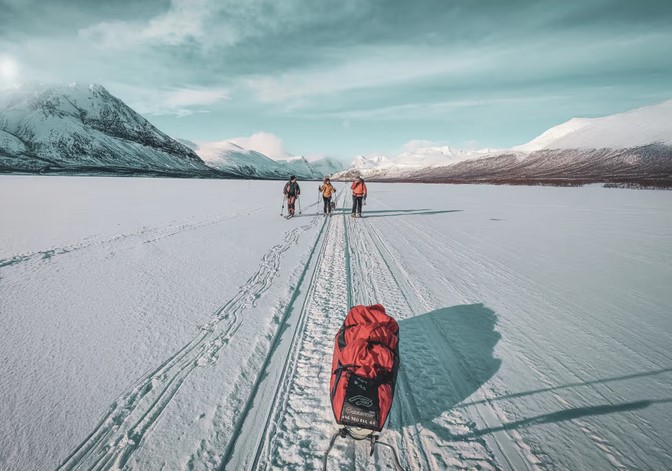
Located deep within the Arctic Circle, this destination is a dream for beginners looking to experience true polar conditions without navigating extreme high-altitude climbs.
-
The Trek: The terrain is exceptionally stable, featuring well-marked paths that wind through snow-draped birch forests and frozen lake shorelines.
-
The Highlight: Because Abisko sits within a unique microclimate that minimizes cloud cover, it is globally recognized as one of the best locations on Earth to view the Aurora Borealis during your evening camp resets.
2. The Alpine Masterclass: Julian Alps (Slovenia)
For intermediate trekkers looking to elevate their mountain skills, the snowy valleys surrounding Mount Triglav offer spectacular, rugged challenges.
-
The Terrain: You will transition away from standard hiking boots and rely heavily on snowshoes or light traction systems to safely cross deep, uncompacted snow fields.
-
The Experience: The route features a network of winterized mountain huts, allowing you to warm up by wood stoves and connect with local alpine culture.
3. The Mystic Ridges: Nikko National Park (Japan)
A breathtaking blend of natural volcanic geology and ancient cultural heritage, located just a brief train ride north of Tokyo.
-
The Landscape: Winter transforms Nikko’s cascading waterfalls into massive, frozen blue ice pillars.
-
The Recovery: The trails trace pristine frozen lakes and historic shrines, culminating in traditional mountain villages where you can soak in natural hot springs (onsen) to instantly restore your tired muscles.
Technical Traction: Navigating Changing Ice and Snow
When you step onto a frozen trail, you are dealing with a constantly shifting surface. Understanding the technical physics of what is under your boot is critical for preventing slips and injuries.
When to Strap on Snowshoes
If you find yourself sinking more than four inches into the snow with every step—a exhausting process known as postholing—it is time to deploy snowshoes. Snowshoes feature wide frames that distribute your body weight across a larger surface area, allowing you to float efficiently on top of soft, fresh powder snow.
Utilizing Microspikes vs. Crampons
-
Microspikes: Small, flexible rubber bands fitted with steel chains and tiny teeth that slide over standard hiking boots. They are perfect for walking on level, packed-down trails covered in slick morning black ice.
-
Crampons: Heavy, rigid steel frames with long, aggressive forward-facing spikes that bolt securely onto specialized mountaineering boots. These are reserved for tackling steep, hard-packed glacial inclines where a single slip could be catastrophic.
Insider Insights: The Danger of the Hidden Winter Sun
💡 Tips Pro: The Eye Protection Rule
Never hit a snow-covered trail without a high-quality pair of polarized Category 3 or 4 sunglasses. Fresh white snow acts like a massive, natural mirror, reflecting up to 80% of dangerous solar UV radiation back up into your eyes. Spending a full day on an open, snow-covered ridge without eye protection can lead to a painful temporary condition called photokeratitis, or snow blindness.
Over my decade documenting winter destinations, the biggest pitfall I see intermediate hikers step into is underestimating the length of the day. Winter days are dramatically shorter, and the sun can drop below the mountain ridges with shocking speed, plunging temperatures down instantly.
Always carry a high-quality headlamp with fresh lithium batteries tucked inside an inner pocket close to your body heat. Standard alkaline batteries drain their electrical capacity rapidly when exposed to freezing cold, leaving you stranded in the dark without warning.
Claiming the Serenity of the Cold
Stepping away from the warm comfort of your home to tackle a challenging winter landscape requires deliberate preparation, investment in the right hardware, and a deep respect for alpine physics. However, the rewards waiting for you on the trail are absolutely unmatched.
When you approach winter snow trekking with the proper technical execution, the mountains transition from a hostile environment into a pristine, peaceful sanctuary.
You return home with more than just spectacular winter photos and a wind-kissed face. You return with an upgraded survival skillset, a clear mind, a deeper understanding of cold-weather safety, and the unforgettable memory of leaving the very first footprints across a pristine, silent field of fresh winter snow.
Over to You!
Are you dreaming of exploring a quiet, snow-covered forest this winter, or are you still trying to dial in your cold-weather clothing layers? Have you ever tried hiking with snowshoes before? Drop a comment below and share your winter travel goals—let’s get your gear list dialled in for the snow!