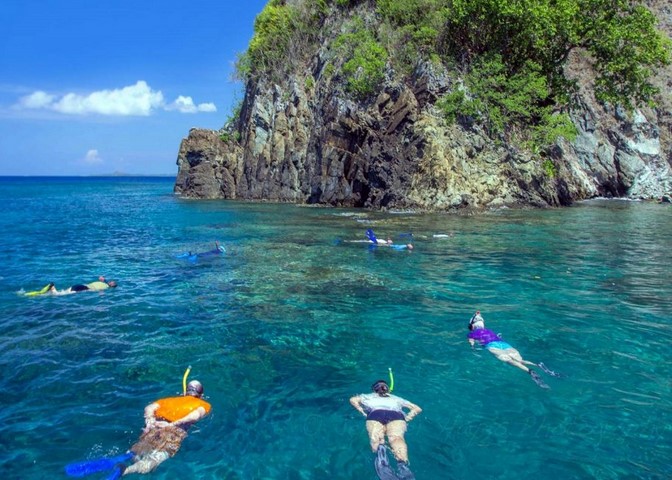
You step off the edge of a sun-drenched boat, plunge into the ocean, and instantly the chaotic noise of the world above evaporates into absolute silence. One second you are breathing in warm, humid air; the next, you are hovering over a blindingly bright neon city built entirely of living coral. A school of iridescent parrotfish darts past your mask, completely unbothered by your presence, while a hawksbill sea turtle glides lazily just five feet below you.
A decade ago, during my very first journey into the coral triangles of Southeast Asia, I almost ruined my relationship with the ocean. I bought a cheap, plastic mask from a beachside kiosk, skipped defogging it, and panicked the moment a tiny splash of saltwater leaked into my breathing tube. I spent more time coughing and choking than looking at the marine life.
It was a classic beginner mistake, and it taught me a vital lesson that I have shared with fellow travelers over my ten years as a professional travel blogger: the open ocean is an incredibly welcoming playground, but it requires the right technical respect.
Today, embarking on snorkeling adventures is one of the most accessible ways to connect with our blue planet. Whether you are a total beginner who is slightly nervous about open water or an intermediate swimmer ready to find the world’s most pristine marine sanctuaries, let’s explore how to transform a simple swim into an unforgettable underwater exploration.
The Window to the Deep: The “Aviation Mask” Analogy
To understand how to master your breathing and movement underwater without letting anxiety take over, let’s use a simple analogy. Think of your snorkeling gear like a specialized space suit or a miniature cockpit window built for a foreign planet.
When you are on land, your body breathes through your nose and mouth automatically, without you ever thinking about it. The moment you pull on a silicone skirt mask and pop a plastic tube into your mouth, you are completely altering your body’s natural habits.
Your mask acts as your clear windshield, and your snorkel is your life-support breathing line to the atmosphere above. If you try to breathe fast or panic, it is like slamming on the brakes of a plane mid-flight.
By slowing your breath down into deep, rhythmic patterns, you equalize the air pressure in your lungs, drop your heart rate, and allow your body to float effortlessly on the surface like a piece of driftwood.
The Essential Gear Checklist for Perfect Clarity
The biggest barrier to a flawless underwater safari isn’t your swimming ability—it is your equipment selection. Investing in or renting the correct hardware will make or break your day on the reef.
-
Tempered Glass Masks: Avoid cheap plastic lenses found in toy sections. Look for high-grade silicone masks featuring tempered glass. Silicone molds perfectly to the unique contours of your face, creating an airtight seal, while tempered glass handles pressure transitions smoothly without warping your vision.
-
Dry-Top Snorkels: Traditional open-top tubes invite splashing waves straight into your mouth. A modern dry-top snorkel features a clever internal float valve mechanism that snaps shut automatically the micro-second a wave rolls over you, keeping your airway entirely dry.
-
Open-Heel Fins: While slip-on full-foot fins work fine for calm hotel pools, open-heel fins paired with neoprene booties are the gold standard for real coastal exploration. They protect your feet from sharp volcanic rocks on shore entries and give you maximum propulsion against tricky ocean currents.
+------------------------+-----------------------------------+-----------------------------------+
| Equipment Piece        | Cheap Tourist Grade               | Premium Explorer Grade            |
+------------------------+-----------------------------------+-----------------------------------+
| **Mask Lens**          | Plastic / Polycarbonate (Fogs up) | Tempered Glass (Crystal clear)    |
| **Silicone Skirt**     | Hard PVC plastic (Leaks easily)   | Liquid Silicone (Contours to face)|
| **Snorkel Design**     | Classic Open Tube (Floods easily) | Dry-Top Valve (Blocks water entry)|
+------------------------+-----------------------------------+-----------------------------------+
Technical Ocean Skills: Mastering the Marine Environment
Once your gear is fitted correctly, navigating snorkeling adventures with confidence requires an understanding of basic marine physics and eco-tourism etiquette.
The Art of Defogging
Your face naturally radiates heat, and the ocean is cold. This temperature contrast creates instant condensation inside your mask, blinding your view within minutes. To prevent this, coat the dry inside of your lens with a few drops of baby shampoo, eco-safe defogging gel, or even your own saliva, then rinse it quickly in the ocean before putting it on. This creates an invisible barrier that prevents water droplets from sticking to the glass.
Executing the “Blast Clear” Technique
Even with the best dry-top valves, a small amount of water will occasionally find its way into your snorkel tube. Don’t panic or rip the mask off your face. Simply exhale forcefully through your mouth—like blowing out a birthday candle—to blast the trapped water out through the lower purge valve, instantly clearing your airway.
Protecting the Benthic Zone
Coral reefs are not colorful rocks; they are highly fragile colonies of living marine organisms. A single strike from a heavy swim fin can instantly destroy decades of coral growth. Maintain a horizontal body position on the surface, keep your knees slightly bent, and never step down onto any dark structures, preserving the ecosystem for the creatures that call it home.
Insider Insights: The Invisible Chemical Threat
💡 Tips Pro: The “Reef-Safe” Sunscreen Deception
When packing for your coastal getaway, look closely at your sunscreen ingredients. Many commercial brands proudly slap a “Reef-Safe” marketing label on their bottles while still containing oxybenzone and octinoxate—dangerous chemical compounds that cause rapid coral bleaching and birth defects in marine life. Look for completely non-nano zinc oxide or titanium dioxide formulas, or swap creams entirely for a high-quality UV-protection rash guard.
Over my decade documenting global waterways, the single biggest mistake I see intermediate snorkelers make is underestimating the power of local tidal currents. An offshore wind can look incredibly calm from your beach towel, but it can create a powerful conveyor belt that pushes you out into deep water faster than you can paddle back.
Before sliding into the water, look at how the local seaweed is drifting, chat with regional boat captains, and always orient your swim into the current first, ensuring you have an easy, effortless drift back to your exit point when your energy levels drop.
Unlocking the Silent World
Shedding our heavy land-locked mindsets and choosing to float face-down in a pristine aquatic wilderness is a deeply meditative experience. It strips away the constant noise of modern technology, re-calibrates our physical senses, and reminds us that we share this planet with an incredibly diverse network of life.
When you approach snorkeling adventures with the proper technical preparation and ecological respect, the ocean transitions from an intimidating barrier into an intimate sanctuary.
You return to dry land with more than just a salt-crusted swimsuit and a sun-kissed back. You return with a profoundly expanded global perspective, a quiet mind, a deeper understanding of marine conservation, and the unforgettable memory of dancing alongside the beautiful, wild architects of the deep blue sea.
Over to You!
Are you currently planning your next big tropical escape, or are you still working through some nerves about swimming in the open ocean? Have you ever had an incredible wildlife encounter while exploring a coral reef? Drop a comment below and share your aquatic travel goals—let’s get your gear dialed in for your next underwater adventure!