Oceans cover more than seventy percent of the Earth’s surface, yet much of their vibrant life remains unseen by the average traveler. Among the most immersive ways to explore this underwater world are scuba coral reef tours, guided diving experiences that bring participants face-to-face with some of the planet’s richest marine ecosystems. These tours combine adventure, environmental education, and responsible tourism, allowing divers to witness intricate coral formations, colorful reef fish, and complex underwater habitats firsthand. As global interest in marine conservation grows, scuba-based reef exploration is evolving into a meaningful and educational travel experience rather than merely a recreational activity.
The Living Architecture of Coral Reefs
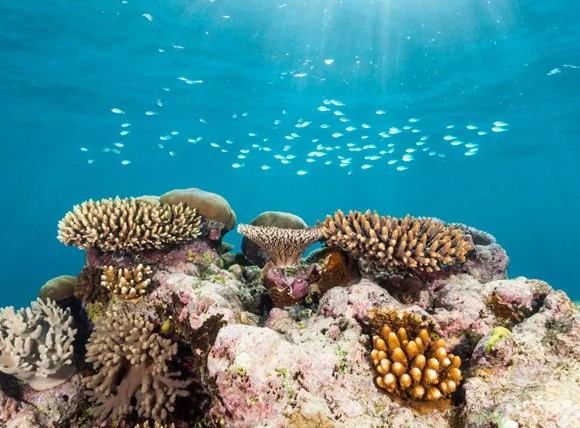
Coral reefs are often described as the rainforests of the sea. Built by tiny coral polyps over thousands of years, these limestone structures support extraordinary biodiversity. Although reefs occupy less than one percent of the ocean floor, they sustain an estimated quarter of all marine species.
Some of the most renowned reef systems include the Great Barrier Reef in Australia, the vibrant reefs of Raja Ampat in Indonesia, and the coral-rich waters surrounding Belize along the Mesoamerican Barrier Reef. In the Indian Ocean, the atolls of Maldives offer clear visibility and thriving reef ecosystems ideal for divers of varying skill levels.
Each reef system features distinct geological formations and marine species. The Great Barrier Reef is known for its vast scale and diverse coral varieties, while Raja Ampat boasts some of the highest recorded marine biodiversity on Earth. Belize’s reef complex is famous for dramatic drop-offs and blue holes, attracting both recreational divers and marine researchers.
Biodiversity Beneath the Surface
Diving along coral reefs reveals a layered ecosystem functioning in delicate balance. Hard corals provide structural foundations, while soft corals and sea fans add texture and movement. Reef fish such as parrotfish, angelfish, and clownfish navigate through coral branches, contributing to nutrient cycles and reef maintenance.
Predators including reef sharks and barracuda patrol deeper waters, maintaining ecological equilibrium. Sea turtles glide gracefully above coral gardens, and small invertebrates—nudibranchs, shrimp, and starfish—occupy hidden crevices.
Scuba tours often include interpretive briefings led by marine biologists or certified dive instructors. These sessions enhance understanding of reef ecology, symbiotic relationships, and the threats posed by coral bleaching, pollution, and overfishing. By pairing exploration with education, tours cultivate informed divers who appreciate the complexity of marine habitats.
Planning a Responsible Reef Diving Experience
Participating in scuba coral reef tours requires both proper certification and thoughtful preparation. Divers must hold at least an entry-level scuba certification from recognized training agencies. Advanced dives, such as drift or deep reef explorations, may require additional credentials.
Equipment quality and fit are essential for comfort and safety. While many operators provide rental gear, experienced divers often travel with personal masks, dive computers, and exposure suits suited to tropical or temperate conditions. Pre-dive safety briefings cover buoyancy control, hand signals, and emergency procedures.
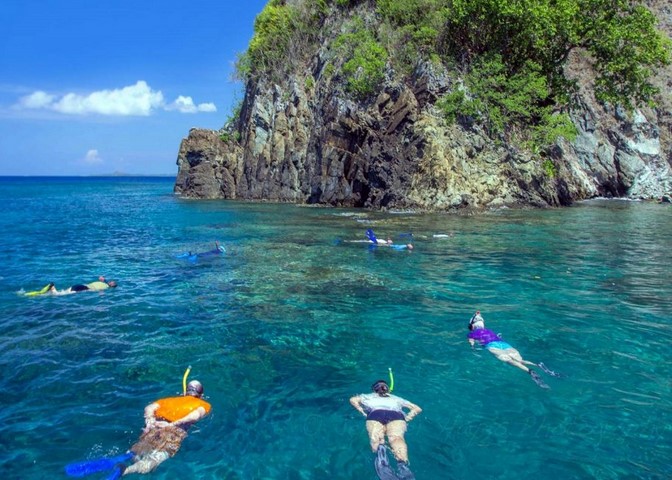
Environmental responsibility is a central component of modern reef tourism. Divers are trained to maintain neutral buoyancy to avoid accidental contact with fragile corals. Touching marine life or collecting souvenirs is strictly prohibited. The use of reef-safe sunscreen minimizes chemical contamination, particularly in shallow snorkeling areas adjacent to dive sites.
Choosing reputable operators is equally important. Certified eco-dive centers adhere to sustainable guidelines, including controlled group sizes, designated mooring buoys to prevent anchor damage, and active participation in reef monitoring programs.
Weather and seasonal conditions influence reef accessibility. In monsoon-prone regions of Southeast Asia, dive seasons vary according to prevailing winds and water clarity. In Australia, stinger season may require protective suits in certain areas. Consulting local dive centers well in advance ensures optimal timing and safety.
Conservation Challenges and Opportunities
Coral reefs face unprecedented threats from climate change, rising sea temperatures, and ocean acidification. Mass bleaching events have affected reefs globally, including significant portions of the Great Barrier Reef. These events occur when stressed corals expel the symbiotic algae that provide both color and essential nutrients.
Despite these challenges, reef tourism can serve as a powerful force for conservation. Revenue generated from scuba tours supports marine protected areas, research initiatives, and community-based sustainability programs. In regions like Raja Ampat, conservation fees collected from divers fund patrols that deter illegal fishing and destructive practices.
Citizen science initiatives further enhance impact. Divers may assist with reef health surveys, photographing coral formations for long-term monitoring databases. These collaborative efforts bridge the gap between tourism and scientific research.
Education remains the cornerstone of effective conservation. By witnessing reef ecosystems firsthand, divers develop emotional connections that motivate advocacy and responsible consumption habits beyond their travels.
A New Concept: The Coral Stewardship Dive Passport
To strengthen the link between tourism and reef preservation, an innovative model is emerging—the Coral Stewardship Dive Passport. This concept integrates a structured conservation pathway into recreational diving.
Participants would receive a digital passport documenting dives at certified eco-sites across global reef systems, including destinations such as Raja Ampat, Great Barrier Reef, and reef zones in Belize. Each location would feature educational modules covering local reef species, conservation challenges, and community initiatives.
Completion of designated learning and participation milestones—such as attending a reef restoration workshop or contributing to a monitoring dive—would earn certification tiers within the passport system. Divers achieving advanced stewardship levels could receive recognition from participating marine conservation organizations.
Key elements of the Coral Stewardship Dive Passport include:
- Standardized environmental training integrated into dive itineraries
- Verified contributions to coral restoration or research programs
- Incentives for repeat visits to sustainably managed dive sites
- Data-sharing collaboration with marine scientists
This initiative transforms scuba tourism into a long-term engagement model. Rather than a single vacation experience, divers become ongoing ambassadors for reef health, fostering global awareness and measurable conservation contributions.
Exploring coral reefs through guided diving experiences offers an extraordinary window into the ocean’s hidden realms. From the expansive ecosystems of the Great Barrier Reef to the biodiversity hotspots of Raja Ampat, these underwater environments inspire awe and responsibility in equal measure. With proper training, ethical practices, and commitment to conservation, scuba coral reef tours provide more than adventure—they cultivate stewardship. As innovative programs like the Coral Stewardship Dive Passport gain momentum, scuba coral reef tours are poised to become powerful platforms for marine education and environmental preservation, ensuring that future generations can continue to discover the vibrant life beneath the waves.