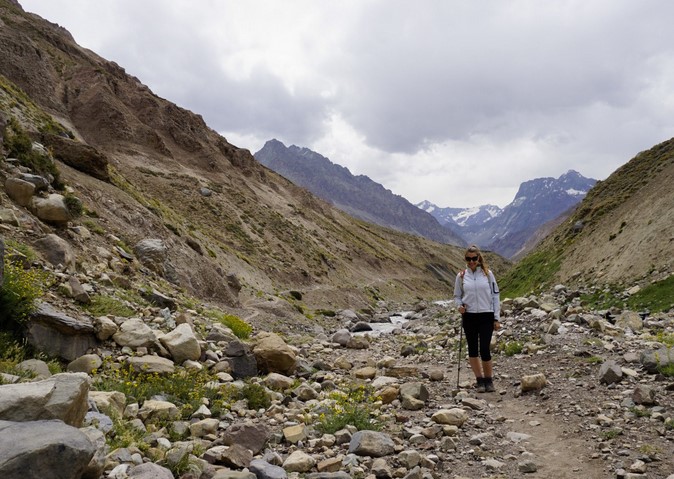
 You are standing at 12,000 feet, catching your breath as the morning mist clears to reveal a jagged, snow-capped mountain ridge. The view is postcard-perfect, but when you look down at the trail, your boot steps on a crushed plastic water bottle left behind by a previous hiker. A few yards ahead, you spot an illegal, poorly managed campfire site that has scorched the roots of an ancient cedar tree. It is a heartbreaking contrast that is becoming far too common: the world’s most beautiful wilderness areas are slowly being loved to death by mass tourism.
Early in my travel career, I thought exploring remote wilderness areas automatically made me an eco-conscious traveler. That illusion shattered during a major trek through a popular valley in South Asia. I watched a string of pack mules, overloaded with heavy propane tanks and processed food wrappers for luxury tour groups, erode a fragile alpine meadow baseline.
That specific eye-opening trip changed my entire philosophy. Over my ten years mapping out remote wilderness routes, I have realized that true preservation requires moving past passive sightseeing.
We need to embrace eco-trekking expeditions—journeys specifically engineered to protect biodiversity, support indigenous communities, and leave a positive ecological footprint on the landscape. Let’s dive deep into how these purposeful treks operate, why they are essential for modern adventurers, and how you can choose an authentic green expedition this year.
The Footprint Equation: The “Borrowing a Friend’s House” Analogy
To understand how an ecological trek differs from standard commercial adventure tourism, let’s look at a simple analogy. Think of embarking on a traditional mountain trek like renting a hotel room. You pay your money, use the resources, expect someone else to clean up after you, and leave whenever you are done.
Choosing verified eco-trekking expeditions, however, is exactly like borrowing a beautiful, historic home from a close personal friend.
Because you deeply respect your friend, you don’t throw your trash on their floor or waste their water. In fact, you take extra care to sweep up before you leave, buy groceries from the local neighborhood market to support their community, and ensure the house is in even better shape than when you arrived. True ecological hiking treats the entire planet with that exact level of personal accountability.
The Technical Pillars of an Authentic Eco-Trek
When you begin browsing adventure itineraries online, look past flash marketing buzzwords like “green” or “sustainable.” Authentic, low-impact expeditions rely on a strict, technical framework to protect vulnerable ecosystems.
1. Strict Adherence to Leave No Trace (LNT) Principles
A verified eco-expedition integrates the seven principles of Leave No Trace directly into its daily operations. This goes far beyond just packing out your plastic wrappers.
It dictates that cooking teams utilize eco-friendly camp stoves rather than burning local firewood, camp exclusively on durable surfaces to prevent soil compaction, and enforce strict greywater disposal systems to keep chemical soaps out of pristine glacial streams.
2. Carbon-Neutral Logistics and Zero-Waste Supply Chains
Traditional adventure groups often generate massive amounts of waste hidden behind the scenes. True eco-expeditions manage a circular waste loop.
They completely eliminate single-use plastics from their mess tents, use solar-powered charging arrays to power field electronics instead of disposable batteries, and partner with local multi-day porter services that rely on sustainable weight-limit regulations to prevent path erosion and animal exploitation.
3. Hyper-Local Conservation Economics
The ultimate defense against environmental destruction is empowering the people who live on the land. Authentic eco-treks dedicate a direct percentage of their booking fees to community-managed conservation initiatives.
By hiring local indigenous guides, utilizing family-run backcountry homestays, and paying fair, union-regulated wages, these expeditions transform environmental preservation into a viable economic livelihood for rural mountain communities.
+-------------------------+-----------------------------------+-----------------------------------+
| Expedition Attribute    | Standard Adventure Tourism        | Certified Eco-Trekking            |
+-------------------------+-----------------------------------+-----------------------------------+
| **Waste Management**    | Linear (Left behind or buried)   | Circular (Packed out, zero plastic|
| **Energy Sources**      | Fossil fuels, wood fires, batteries| Solar arrays & clean gas stoves   |
| **Economic Impact**     | Large foreign agencies retain cash| Hyper-local community syndicates  |
| **Trail Philosophy**    | High-impact consumption of views  | Active conservation & restoration |
+-------------------------+-----------------------------------+-----------------------------------+
World-Class Expeditions That Walk the Talk
If you are ready to plan an adventure that makes a real difference, here are three iconic global routes that feature top-tier, certified ecological outfitter networks.
The Sacred Peaks: The Inca Trail and Salkantay (Peru)
While thousands of hikers descend on Machu Picchu every year, booking through an agency certified by local conservation standards ensures strict daily porter protections and rigorous campsite waste-auditing along the high-altitude Andean paths.
The High Passes: The Great Himalaya Trail (Nepal)
This massive trail network prioritizes a unique “community-based tourism” layout. Instead of relying on self-contained mega-resorts, travelers stay in authentic village homestays, directly funding local schools and wildlife monitoring systems across remote mountain communities.
The Primitive Wilderness: The Overland Track (Tasmania, Australia)
A masterclass in state-managed environmental preservation. The entire route utilizes extensive elevated wooden boardwalk systems to completely eliminate boot-wear damage on fragile peat bogs, running on a strict peak-season permit quote system to eliminate trail overcrowding.
Insider Insights: Spotting the “Greenwashing” Traps
💡 Tips Pro: The “Backcountry Menu” Litmus Test
Want to instantly spot a greenwashed tour operator before spending your money? Ask to look at their standard high-altitude menu. If a trekking agency promises fresh, imported seafood, individual single-use plastic water bottles, or heavily packaged corporate snacks at 14,000 feet, their supply chain is not sustainable. Authentic eco-treks rely heavily on locally sourced, seasonal ingredients harvested by regional farming communities along the route.
Over my ten years auditing global adventure networks, the biggest pitfall I see intermediate hikers step into is choosing agencies based solely on the lowest price tag. High-quality eco-trekking costs more because it accounts for the true cost of preservation.
It covers fair living wages for field staff, pays for proper waste haulage fees, and includes local conservation permits. If an agency offers a price that seems impossibly cheap, they are almost certainly cutting corners by underpaying their porters or dumping trash illegally in the wilderness.
Becoming a Guardian of the Trail
Embarking on a journey into the wild should be a deeply humbling experience. It is a rare chance to disconnect from our frantic digital lives, realign our physical limits, and marvel at the raw, majestic geography of our planet. However, that privilege comes with an undeniable duty of care.
When you intentionally choose eco-trekking expeditions, your footsteps change their meaning entirely. You transition from a passive consumer of beautiful landscapes into an active protector of global wilderness areas.
You return home with more than just spectacular trail photos and tired muscles. You return with an expanded global perspective, a deeper respect for indigenous land stewards, and the profound satisfaction of knowing your journey actively helped keep the world’s greatest trails wild, pristine, and secure for generations to come.
What’s Your Next Wilderness Destination?
Are you planning an adventure trip into the high mountains, dense rainforests, or remote coastlines this year? Have you ever encountered environmental damage on your favorite local hiking routes? Drop a comment below and let’s talk about how we can choose better, low-impact adventure strategies together!