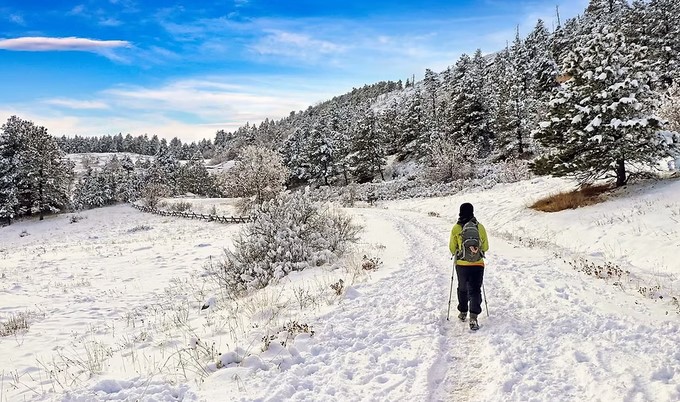
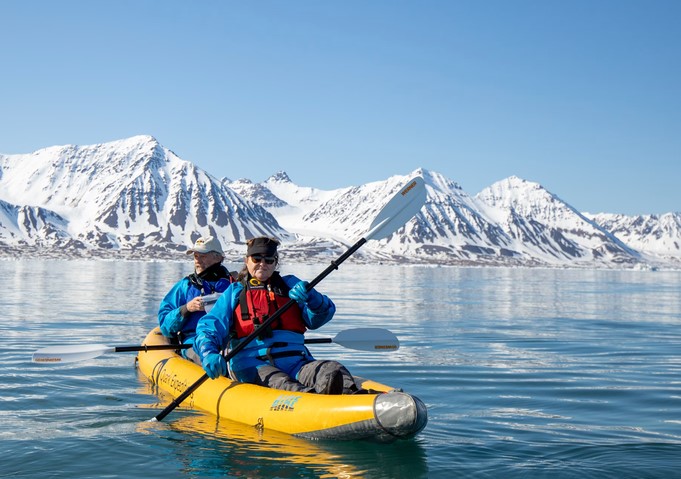
For those seeking the ultimate challenge in the world of mountaineering, ice mountain expeditions represent the pinnacle of adventure. These expeditions take adventurers to the highest, most remote, and most pristine environments on Earth—where the landscape is dominated by towering glaciers, frozen peaks, and treacherous icefalls. Whether you’re an experienced mountaineer looking to push your limits or an enthusiastic climber dreaming of your first ice summit, ice mountain expeditions offer a thrilling and unforgettable experience. In this article, we will explore the allure of ice mountain expeditions, the preparation required, and some of the most iconic ice-climbing destinations in the world.
The Allure of Ice Mountain Expeditions
Ice mountain expeditions offer a unique combination of physical challenge, technical skill, and unparalleled natural beauty. Scaling an ice-covered peak or traversing a glacier requires specialized knowledge of climbing techniques, weather conditions, and equipment. Unlike rock climbing, ice climbing demands precision and patience as climbers navigate frozen waterfalls, crevasses, and ice-covered rock faces.
1. A True Test of Skill and Endurance
Unlike traditional mountaineering or hiking, ice mountain expeditions are not for the faint of heart. Climbers must be prepared to battle extreme cold, high-altitude conditions, and unpredictable weather. To succeed in an ice mountain expedition, adventurers need to master specific techniques, including:
- Ice Climbing: This is the core of an ice mountain expedition, where climbers use specialized tools like crampons and ice axes to ascend frozen waterfalls and steep ice walls. The skills required for ice climbing are unique, requiring precision, balance, and strength.
- Crevasse Navigation: When crossing glaciers, climbers must be adept at identifying and navigating crevasses—deep cracks in the ice that can be dangerous if not handled properly. Special rope techniques, as well as the ability to read the glacier’s movements, are vital for ensuring safety.
- Altitude Acclimatization: Many ice mountain expeditions take place at high altitudes, where oxygen levels are lower. Climbers must carefully acclimatize to avoid altitude sickness and manage physical exertion in thin air.
2. Breathtaking Scenic Beauty
One of the most compelling reasons adventurers embark on ice mountain expeditions is the unrivaled beauty of the environments they traverse. From the towering icefalls of the Canadian Rockies to the frozen volcanoes of Iceland, ice-climbing locations offer some of the most pristine and dramatic landscapes on Earth.
- Glaciers and Icefalls: These frozen wonders are the lifeblood of ice mountain expeditions. The sight of massive glaciers winding their way down mountainsides or cascading frozen waterfalls creating icefalls is breathtaking. These environments are untouched by human development, offering climbers a chance to experience nature in its purest form.
- Isolation and Serenity: Ice mountain expeditions often take place in remote locations, far from the noise and distractions of everyday life. This sense of isolation, combined with the beauty of the icy wilderness, creates an unmatched sense of serenity. Climbers often find that the silence of these environments is one of the most profound aspects of their journey.
3. The Ultimate Adventure
For many, the appeal of ice mountain expeditions lies in their status as the ultimate adventure. The risk and reward of climbing frozen peaks offers a sense of achievement that few other outdoor activities can match. The physical and mental challenges are intense, but so are the rewards:
- Accomplishment: Reaching the summit of an ice-covered peak after days of tough climbing is an achievement that remains with adventurers for a lifetime. The satisfaction of conquering the heights, despite the cold and the danger, is something that only those who have experienced it can truly understand.
- Memories for a Lifetime: An ice mountain expedition creates memories that last long after the climb is over. From the camaraderie formed with fellow climbers to the breathtaking moments on the summit, these expeditions often change the way adventurers view the world and their place within it.
Preparing for Ice Mountain Expeditions
Undertaking an ice mountain expedition is no small feat, and preparation is key to ensuring a successful and safe journey. Whether you’re a seasoned mountaineer or a first-time adventurer, there are several important factors to consider before embarking on an ice mountain expedition.
1. Physical Fitness and Endurance
The physical demands of an ice mountain expedition are extreme. Climbers need to be in excellent physical condition, with a focus on building strength, endurance, and flexibility. Cardio workouts, strength training, and core exercises are all essential for climbing ice walls and carrying heavy packs over glaciers.
- Endurance Training: Long treks at high altitudes require stamina, so it’s important to incorporate long hikes and endurance training into your fitness routine. Many climbers train by hiking with weighted packs or engaging in activities like trail running.
- Upper Body Strength: Since ice climbing requires the use of ice axes and the ability to haul oneself up ice walls, building upper body strength—especially in the arms, shoulders, and core—is essential.
2. Technical Skills and Equipment
Ice mountain expeditions demand specialized gear and techniques. From ice axes and crampons to ropes and harnesses, adventurers must be well-versed in the use of their equipment.
- Ice Climbing Tools: The primary tools used for ice climbing are crampons (spiked footwear for gripping ice) and ice axes (used for both support and ascent). These tools must be used in coordination to maintain balance and climb safely.
- Climbing Ropes and Rappelling Gear: Ice climbers must know how to set up belays and rappel safely, particularly when crossing glaciers or descending ice-covered cliffs.
- Clothing and Weather Gear: In addition to the climbing gear, adventurers must dress in layers to protect against the extreme cold. Breathable, waterproof clothing, thermal layers, and insulated boots are all essential for maintaining warmth and mobility.
3. Guided Expeditions and Safety Measures
While some experienced climbers may opt for solo expeditions, many choose to join guided ice mountain expeditions to ensure safety and maximize their experience. Professional guides bring a wealth of knowledge and experience, helping climbers navigate difficult terrain, choose optimal routes, and manage risks effectively.
- Expert Guidance: Guides are trained in mountaineering, first aid, and rescue operations. They help climbers prepare for the physical and mental challenges of the expedition and provide critical support in case of emergencies.
- Group Support: Group expeditions often include a team of climbers with varying levels of experience, and the group dynamic helps foster a sense of camaraderie and mutual support. In case of a problem, the group can work together to find solutions and ensure everyone’s safety.
Top Destinations for Ice Mountain Expeditions
There are several exceptional locations around the world that are known for offering unforgettable ice mountain expeditions. Whether you’re looking to scale towering glaciers or explore remote frozen landscapes, these destinations are perfect for those seeking a true adventure.
1. Mount Denali, Alaska
Denali, North America’s highest peak, is one of the most challenging mountains to climb. Standing at 20,310 feet, it offers some of the most difficult ice-climbing conditions in the world.
- Why It’s Special: The combination of extreme cold, high altitude, and technical difficulty makes Denali a prime destination for ice climbers. Expeditions here require extensive preparation and are often a test of both physical and mental endurance.
- Experience: Climbers can traverse glaciers, negotiate icefalls, and face harsh winds as they ascend to the summit. The experience is one of the ultimate challenges in mountaineering.
2. Mount Cook, New Zealand
Mount Cook is a majestic peak located in New Zealand’s Southern Alps. It is known for its stunning beauty and technical climbs, making it a popular destination for mountaineers.
- Why It’s Special: The mountain’s ice-covered routes, combined with its remote location, make it a prime location for ice mountain expeditions. Climbers must navigate glaciers and steep ice walls to reach the summit.
- Experience: Mount Cook offers several challenging routes, and the surrounding national park provides stunning views of the Southern Alps and nearby glaciers.
3. Iceland’s Glacier Expeditions
Iceland offers some of the best glacier climbing experiences in the world, with its vast ice caps and towering frozen waterfalls. The Vatnajökull Glacier, Europe’s largest, is a highlight for ice climbers.
- Why It’s Special: Iceland’s unique combination of volcanic landscapes and ice offers a dynamic and unforgettable environment for ice expeditions. Many climbs are relatively accessible, making it a great destination for both beginners and experienced climbers.
- Experience: Ice mountain expeditions here often include exploring ice caves, icefalls, and crevasses, all set against the dramatic backdrop of volcanic peaks.
In conclusion, ice mountain expeditions provide a unique and exhilarating experience for those seeking adventure at the highest altitudes. These expeditions challenge climbers to push their physical limits, master technical skills, and experience the awe-inspiring beauty of frozen landscapes. Whether climbing Mount Denali, scaling glaciers in New Zealand, or exploring Iceland’s ice caves, these expeditions offer unparalleled opportunities for adventure and personal growth. For those ready to conquer the heights, the world’s most dramatic ice-covered peaks await, offering memories and achievements that will last a lifetime.