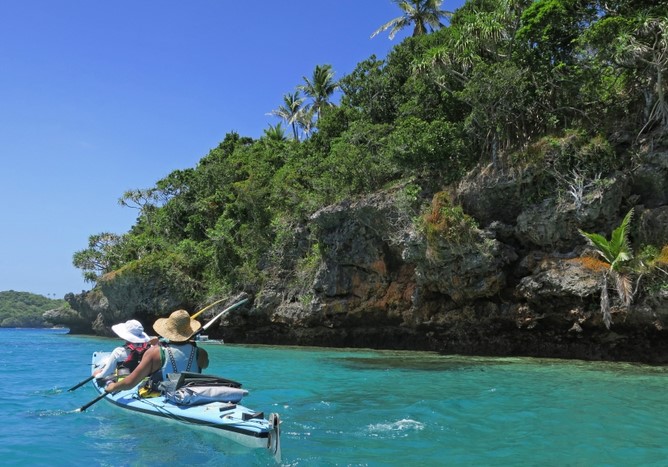
In an era where travelers seek immersive and eco-conscious adventures, tropical kayaking expeditions have emerged as one of the most rewarding ways to experience paradise. Gliding across turquoise lagoons, weaving through mangrove forests, and paddling beside vibrant coral reefs offer a front-row seat to some of the planet’s most breathtaking ecosystems. Unlike traditional sightseeing tours, kayaking places adventurers directly at water level—close enough to observe marine life, coastal wildlife, and subtle environmental details often missed by larger vessels. This article explores the allure, preparation, destinations, and innovative future of kayaking journeys in tropical regions, offering a professional and informative guide for those ready to paddle into warm, crystal-clear waters.
The Allure of Tropical Waters
Tropical destinations captivate travelers with their year-round warmth, rich biodiversity, and diverse coastal landscapes. From shallow coral gardens to lush estuaries, these environments are ideally suited for kayaking exploration.
Warm Climate and Calm Seas
Many tropical regions benefit from relatively stable weather patterns, particularly during dry seasons. Calm seas and light winds create favorable paddling conditions, especially for beginners or multi-day expeditions. Early mornings typically provide the smoothest waters, allowing kayakers to cover greater distances while enjoying cooler temperatures.
Biodiversity at Water Level
Kayaking provides a silent and non-invasive way to observe wildlife. In destinations such as Belize, paddlers may encounter manatees gliding beneath their boats. Around Palawan in the Philippines, vibrant coral ecosystems are visible directly through the clear shallows. The lagoons of Maldives offer encounters with reef sharks and sea turtles, while the granite-fringed waters of Seychelles reveal secluded coves accessible only by small craft.
Because kayaks draw minimal draft and create little disturbance, paddlers can navigate delicate habitats such as mangrove tunnels or shallow sandbars without damaging the environment. This low-impact nature makes kayaking a preferred method of eco-tourism in tropical zones.
Planning a Successful Expedition
Proper preparation is essential for safety, comfort, and enjoyment during a tropical kayaking journey. While the serene environment may appear forgiving, tropical climates and marine conditions demand thoughtful planning.
Equipment and Gear Selection
A stable sea kayak or touring kayak is recommended for open-water paddling. Sit-on-top models are popular in tropical regions due to their ease of use and self-draining design. Essential gear includes:
- Coast Guard-approved personal flotation device (PFD)
- Dry bags for electronics and clothing
- Sun-protective apparel (UPF-rated shirts, hats, polarized sunglasses)
- Reef-safe sunscreen
- Hydration system and electrolyte supplements
Given the intensity of tropical sun exposure, heat management is critical. Paddlers should schedule regular hydration breaks and consider launching at sunrise or late afternoon to avoid peak midday heat.
Guided vs. Independent Exploration
First-time visitors may benefit from guided expeditions led by certified instructors familiar with local currents, tides, and marine life. Guides often provide cultural insights, navigation support, and emergency preparedness expertise.
For experienced kayakers, independent exploration can offer greater flexibility. However, route planning should account for tidal charts, weather forecasts, and designated marine protected areas. Satellite communication devices are advisable in remote island chains where cellular coverage may be limited.
Environmental Responsibility and Conservation
Tropical ecosystems are both stunning and fragile. Responsible kayaking practices ensure these environments remain vibrant for future generations.
Leave No Trace Principles
Kayakers should adhere to internationally recognized Leave No Trace guidelines:
- Avoid touching or standing on coral reefs
- Maintain safe distances from marine wildlife
- Pack out all waste
- Use designated landing sites
Mangroves, often explored by kayak, serve as critical nurseries for fish species and natural barriers against coastal erosion. Minimizing disturbance in these habitats supports biodiversity and shoreline stability.
Supporting Local Communities
Eco-conscious expeditions often partner with local guides, marine biologists, or conservation initiatives. In parts of Southeast Asia and the Caribbean, community-based tourism programs reinvest expedition revenue into reef restoration, sea turtle monitoring, and educational outreach.
Travelers can further contribute by choosing operators certified by recognized sustainability programs and by participating in shoreline clean-up paddles or citizen science initiatives during their journey.
A New Vision: Floating Eco-Lodges and Kayak-Based Exploration Hubs
As interest in tropical kayaking grows, a new concept is emerging that blends sustainability with immersive exploration: floating eco-lodges designed specifically for paddlers.
These modular, solar-powered platforms serve as central hubs anchored within sheltered lagoons or protected bays. Instead of daily motorized transfers, guests launch directly from the lodge by kayak to explore nearby reefs, mangroves, and uninhabited islets. The design reduces fuel consumption, limits shoreline construction, and allows flexible relocation to minimize ecological impact.
Key features of this innovative model include:
- Solar desalination systems for freshwater production
- Composting waste management
- Marine research partnerships for on-site conservation
- Guided night paddles with bioluminescence education
By integrating accommodation and low-impact transport, floating kayak lodges create a seamless and environmentally responsible travel experience. Such initiatives could redefine coastal tourism in fragile tropical regions, prioritizing immersion over infrastructure.
Kayaking across warm, crystalline waters offers an unparalleled perspective on tropical environments. From mangrove labyrinths and coral atolls to hidden coves framed by palm-lined shores, paddlers gain direct access to ecosystems often unreachable by larger vessels. With careful preparation, environmental mindfulness, and support for local conservation efforts, these journeys become more than recreational outings—they transform into meaningful explorations of some of the world’s most extraordinary landscapes. As sustainable innovations like floating eco-lodges continue to evolve, tropical kayaking expeditions will likely set new standards for responsible adventure travel, inviting explorers to paddle gently, observe closely, and protect the paradise they traverse.


