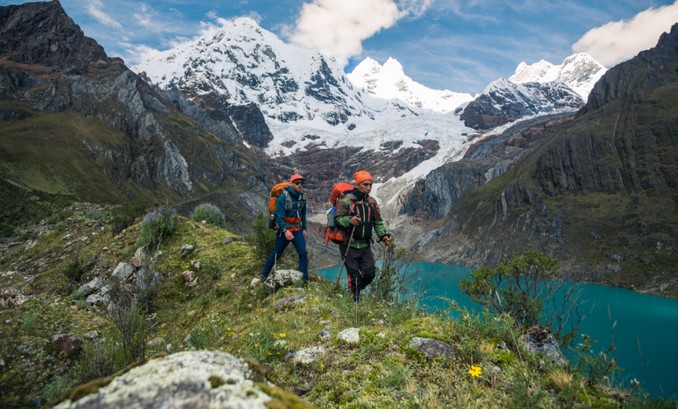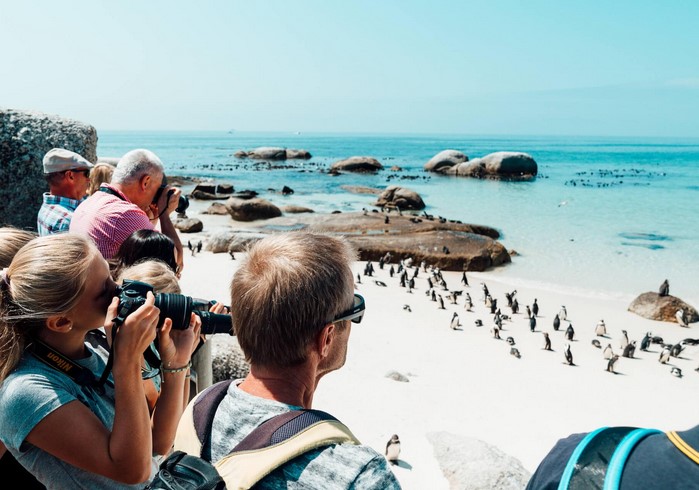
The growing popularity of student language camps reflects a shift in how language education is approached in a globalized world. Rather than relying solely on classroom instruction, students are increasingly seeking immersive environments where language learning is integrated into daily life, social interaction, and cultural discovery. These camps, hosted in countries where the target language is spoken, combine structured education with experiential learning, offering students a dynamic and engaging path to linguistic and personal development.
The Educational Model Behind Language Camps Abroad
Student language camps abroad are designed around immersion-based learning principles. Instead of treating language as an abstract subject, these programs place students in environments where communication is a necessity rather than an exercise. Lessons are reinforced through real-world use, allowing learners to internalize vocabulary, grammar, and pronunciation more naturally and effectively.
Most camps follow a balanced structure that combines formal instruction with practical application. Mornings are often dedicated to guided language classes led by qualified instructors, focusing on speaking, listening, reading, and writing skills. Afternoons and evenings typically involve group activities, excursions, or collaborative projects conducted in the target language. This continuous exposure helps students gain confidence and fluency in a relatively short period.
Importantly, language camps are tailored to different proficiency levels and age groups. Whether participants are beginners or advanced learners, programs are structured to meet their academic needs while maintaining an engaging pace. This adaptability ensures that students remain motivated and supported throughout their learning journey.
Cultural Immersion and Social Connection
Beyond language acquisition, these camps provide a platform for cultural understanding and interpersonal growth. Students are exposed to local customs, traditions, and daily routines, allowing them to see how language functions within its cultural context. Activities such as local cooking sessions, cultural workshops, and community visits deepen this understanding and make learning more meaningful.
Living and learning alongside peers from diverse backgrounds also plays a crucial role. Camps often attract international participants, creating multicultural environments where students practice not only the host language but also intercultural communication skills. These interactions encourage empathy, adaptability, and open-mindedness—qualities essential in today’s interconnected world.
Personal Growth Through Shared Experiences
One of the most significant outcomes of student language camps is personal development. Being in a new country challenges students to step outside their comfort zones, navigate unfamiliar situations, and become more independent. These experiences build resilience, self-confidence, and problem-solving skills that extend far beyond language learning.
Group activities and collaborative tasks foster teamwork and leadership. Students learn to support one another, resolve conflicts, and celebrate shared achievements. Friendships formed during these camps often continue long after the program ends, creating international networks that enrich students’ personal and academic lives.
Long-Term Benefits and Future Opportunities
The impact of language camps abroad extends well into the future. Students who participate often demonstrate improved academic performance, particularly in language-related subjects. The ability to communicate effectively in another language enhances cognitive flexibility and improves overall learning capacity.
From a career perspective, early exposure to international environments provides a competitive advantage. Employers and academic institutions increasingly value global awareness, language proficiency, and cross-cultural experience. Students who have attended language camps abroad are often better prepared for exchange programs, international studies, and global career paths.
As education continues to evolve, language camps are adapting to incorporate new methodologies and technologies. Digital tools, interactive learning platforms, and blended instruction models are being integrated to support diverse learning styles. At the same time, the core emphasis on human connection and real-world engagement remains central to the camp experience.
In conclusion, student language camps offer far more than language instruction; they provide transformative experiences that combine education, culture, and personal growth. By immersing students in authentic linguistic environments and fostering meaningful connections, these camps prepare young learners for a world where communication and cultural understanding are essential. As demand for experiential education continues to rise, language camps abroad stand out as powerful pathways for learning, connection, and global citizenship.