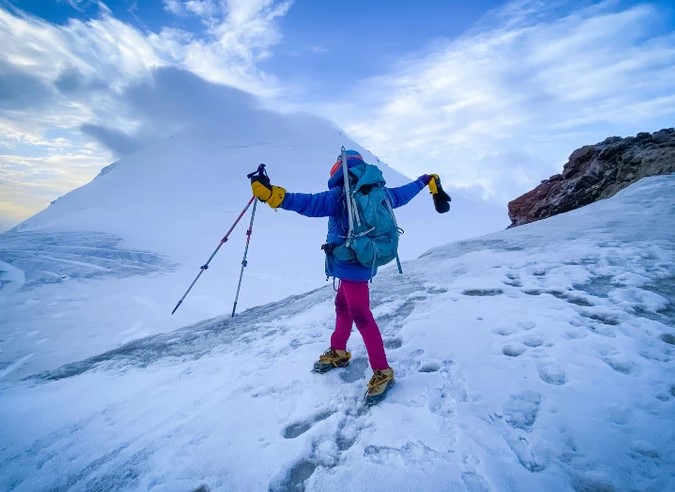
 Standing on the ice sheet of Svalbard, watching my own breath freeze almost instantly into fine crystals, I realized something fundamental about polar travel: the Arctic and Antarctica do not care about your itinerary. After ten years of leading expeditions and navigating ice-laden waters across both poles, I’ve seen seasoned travelers brought to their knees by improper layering, and complete beginners transformed by the sheer, quiet majesty of the frozen wilderness.
Polar travel has exploded in popularity, yet the leap from admiring icy landscapes on a screen to actually stepping onto a zodiac boat in sub-zero temperatures can feel intimidating. If you are sitting at home wondering whether polar adventure tours are right for you—or if you have what it takes to survive and enjoy them—you are in the right place.
Let’s strip away the marketing fluff and look at what it truly takes to explore the planet’s most extreme frontiers as a beginner or intermediate explorer.
Why the Poles Are Calling Modern Adventurers
For most of human history, reaching the high latitudes was reserved for hardened explorers like Shackleton, Amundsen, and Scott. Today, purpose-built expedition ships and guided polar travel programs have opened these remote realm doors to anyone with a spirit of adventure and a reasonable level of fitness.
The Shift from Luxury Cruise to True Expedition
Many travelers mistake polar adventure tours for standard ocean cruises. In reality, a polar journey is an active expedition.
-
Flexibility over Fixed Itineraries: Ships move based on sea ice density, wind speed, and wildlife sightings.
-
Hands-on Exploration: Instead of viewing land from a deck chair, you load onto rigid inflatable boats (Zodiacs) multiple times a day.
-
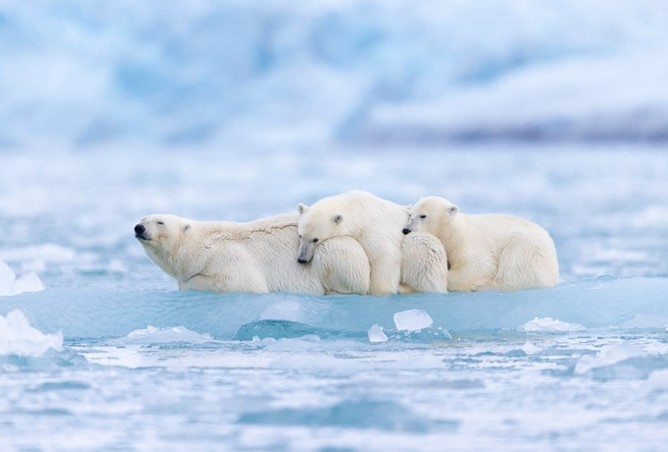
Wildlife Interactions: You are stepping into an active food chain—home to polar bears, leopard seals, emperor penguins, and narwhals.
Think of an expedition ship not as a floating resort, but as a mobile basecamp. It provides safety, warmth, and high-calorie food so you can focus entirely on surviving and absorbing the vast wilderness outside.
Arctic vs. Antarctica: Choosing Your First Frozen Frontier
One of the most common questions I get from prospective polar travelers is: “Should I go North or South first?” While both regions feature ice and cold, they are geographically and ecologically total opposites.
                    ┌─────────────────────────────────────────┐
                    │          POLAR COMPARISON GUIDE         │
                    └────────────────────┬────────────────────┘
                                         │
                   ┌─────────────────────┴─────────────────────┐
                   ▼                                           ▼
          [ THE ARCTIC (NORTH) ]                    [ ANTARCTICA (SOUTH) ]
   • Frozen Ocean surrounded by continents    • Frozen Continent surrounded by ocean
   • Top Wildlife: Polar Bears, Walruses      • Top Wildlife: Massive Penguin Colonies
   • Tundra, Fjords & Indigenous History      • Gigantic Icebergs & Deep Isolation
The Arctic: A Frozen Ocean Surrounded by Continents
The Arctic consists of an ocean covered by sea ice, surrounded by landmasses like Svalbard, Greenland, and Arctic Canada.
-
Key Highlights: Spotting apex predators like polar bears, observing walruses haul out on ice floes, and learning about indigenous Inuit cultures.
-
Best For: Travelers interested in wildlife stalking, tundra trekking, and rich human history.
Antarctica: A Frozen Continent Surrounded by Ocean
Antarctica is an entire continent buried under thousands of meters of ice, completely isolated from the rest of the world by the notorious Drake Passage.
-
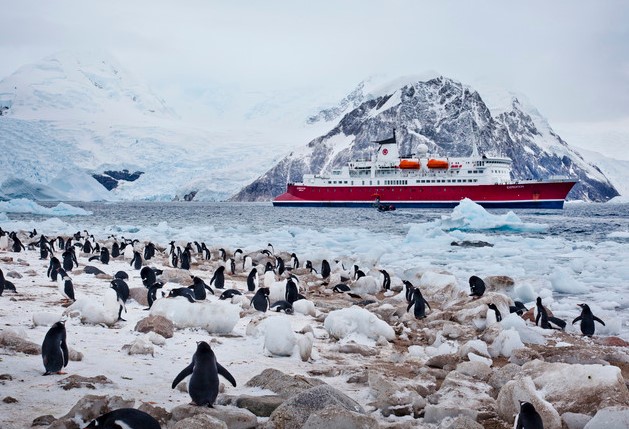
Key Highlights: Stepping onto vast penguin rookeries with thousands of birds, zodiac cruising past tabular icebergs the size of skyscrapers, and experiencing complete silence.
-
Best For: Photographers, ice landforms enthusiasts, and those looking for total disconnection from civilization.
Preparing for Polar Adventure Tours: Equipment & Layering Systems
If there is one thing a decade on the ice teaches you, it is this: there is no bad weather, only bad gear. The polar environment demands a modular approach to clothing known as the three-layer system.
1. Base Layer: Moisture Management
Your body heat creates sweat, even in freezing temperatures. If moisture stays on your skin, you will chill rapidly during rest stops.
-
Material: Merino wool or synthetic polyester (Never cotton!).
-
Fit: Next-to-skin without restricting circulation.
2. Insulation Layer: Trapping Warmth
This layer creates air pockets that lock in body heat. Think of it like double-paned windows for your torso.
-
Material: Heavyweight fleece, hybrid synthetic jackets, or high-fill down (800+ fill power).
-
Pro Tip: Keep insulation jackets packable so you can shed or add them in seconds inside a Zodiac.
3. Outer Shell: Wind and Water Protection
The wind in polar regions is relentless. A cold wind will slice right through fleece if you don’t have a fully sealed shell.
-
Material: Gore-Tex or equivalent waterproof, windproof breathable membrane.
-
Requirements: Taped seams, adjustable hoods, and storm flaps over zippers.
Field Observation: Most operators provide heavy-duty polar parkas for Antarctica, but you will almost always need to bring your own waterproof trousers and base layers. Do not scrimp on waterproof pants; sitting on wet Zodiac pontoons in sub-zero wind will test any cheap fabric immediately.
Physical Fitness and Safety Expectations
You do not need to be an marathon runner to participate in most polar adventure tours, but you do need functional mobility and steady balance.
Navigating the “Gangway Challenge”
Getting on and off an expedition vessel into a bobbing Zodiac in choppy seas requires core stability and grip strength.
-
The Sailor’s Grip: Always hold crew members by the wrist-to-wrist grip (the “seaman’s handhold”) when stepping onto boats, never by fingers or thumbs.
-
Core Mobility: Practice stepping up and over barriers while wearing heavy boots to build confidence for land disembarkations.
Environmental Hazards to Respect
While certified expedition leaders manage big risks like crevasse falls or bear encounters, everyday physical risks still exist:
-
Frostnip and Frostbite: Exposed skin can nip in minutes during high-speed Zodiac rides. Wear neoprene gloves or windproof mitts over thin liner gloves.
-
Dehydration: Cold air is extremely dry. You lose moisture simply by breathing. Drink far more water than you think you need.
-
UV Radiation: Snow acts as a giant mirror. High-SPF sunscreen and polarized sunglasses (Category 3 or 4) are non-negotiable, even on overcast days.
Essential Tips for First-Time Polar Explorers
To make the absolute most of your polar voyage, keep these hard-won insights in mind before you head to the embarkation port:
-
Protect Your Electronics: Lithium-ion camera and phone batteries drain at double speed in freezing conditions. Keep spare batteries inside your inner jacket pockets close to body heat until the exact moment you need them.
-
Pack Motion Sickness Prevention: Whether crossing the Drake Passage or the Greenland Sea, open ocean swells can be rough. Start taking your preferred sea sickness medication before the ship leaves calm harbor waters.
-
Focus on the Present, Not Just the Lens: It is easy to view the entire journey through a camera viewfinder. Set down your camera for at least ten minutes during every landing to soak in the raw atmosphere, scent, and quietude of the environment.
-
Follow IAATO / AECO Guidelines: Both Antarctica (IAATO) and the Arctic (AECO) operate under strict environmental protection rules. Maintain safe distances from wildlife, clean your boots diligently at biosecurity wash stations, and never leave anything behind.
Ready to Step Beyond the Map?
Polar travel is not just another vacation; it is a humbling reminder of the scale and wild power of our planet. When you step ashore on pristine snow, hear the thunderous crack of a calving glacier, or look a curious penguin in the eye, the world shifts into sharp perspective.
With the right preparation, realistic expectations, and high-quality gear, taking on polar adventure tours can be one of the most transformative decisions of your life.
Over to You: Are you planning your first trip to the high north or down south to the white continent? What is your biggest question or fear about venturing into sub-zero wild spaces? Leave a comment below, and let’s discuss your upcoming expedition!