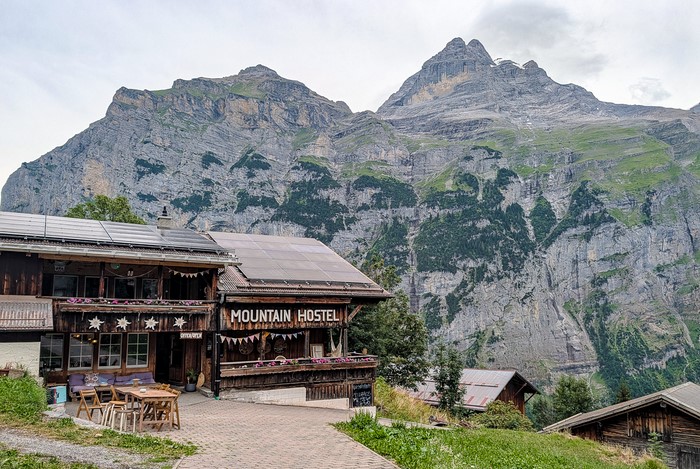
Picture this: you have spent eight brutal hours hiking up a alpine pass, your quads are burning, your socks are damp, and the sun is dipping below the jagged peaks. You want a hot shower, a warm meal, and a cozy bed without blowing through your entire monthly savings on a luxury ski resort. Ten years ago, on a wet evening in the Swiss Alps, I thought my only choices were freezing in a bivvy bag or paying half a month’s rent for a chalet room.
Then I pushed open the heavy wooden door of an alpine hostel, greeted by the aroma of fresh stew, drying wool gear, and low-cost dormitory beds. Over a decade of trekking across the Rockies, the Andes, and the Himalayas, I have learned that alpine hostels are not just a cheap backup option—they are the ultimate basecamp for smart adventurers.
If you love high-altitude trails but dread the high-altitude price tag, finding high-quality budget mountain hostels will completely change how you plan your alpine escapes. Here is your ultimate guide to finding, selecting, and maximizing your stay in alpine budget lodgings.
The Evolution of Alpine Hostels: Not Your Typical City Dorm
When beginner hikers hear the word “hostel,” they often picture noisy party hubs in European city centers filled with late-night bar crawlers. Mountain hostels operate on an entirely different wavelength.
Functional Hospitality for Outdoor Enthusiasts
Mountain hostels are tailored specifically for trekker logistics. Instead of bar crawls, you get early-morning breakfast spreads, specialized drying rooms for wet gear, and trail updates straight from local mountain guides.
-
Purpose-Built Facilities: Expect gear storage lockers, workbench areas for tuning skis or fixing trekking poles, and communal kitchens equipped for heavy caloric cooking.
-
Trail-Centric Rules: Quiet hours start early (often around 9:00 PM or 10:00 PM) because almost everyone in the building is waking up at 5:00 AM for an alpine start.
-
Community Intelligence: The common room serves as a real-time information exchange where hikers returning from the summits share up-to-date snow levels and trail hazards.
Think of a mountain hostel like a pit stop in Formula 1 racing. It gives your body and equipment a rapid, high-efficiency refuel so you can hit the trail again at peak strength without paying extra for unnecessary luxury trappings.
Key Features to Look For in High-Altitude Lodging
Not all alpine accommodations are created equal. When booking budget mountain hostels, scrutinizing the technical amenities on offer can mean the difference between a restful recovery night and a miserable, sleepless stay.
                    ┌─────────────────────────────────────────┐
                    │      ESSENTIAL HOSTEL CHECKLIST         │
                    └────────────────────┬────────────────────┘
                                         │
     ┌───────────────────────────────────┼───────────────────────────────────┐
     ▼                                   ▼                                   ▼
[ DRYING ROOMS ]                 [ KITCHEN AMENITIES ]              [ LOGISTICAL SUPPORT ]
 • Heated boot racks              • Large fridge space               • Early alpine breakfasts
 • Dehumidifier setups            • High-capacity stoves             • Trail shuttle services
 • Gear hangers for wet shells    • Communal cookware & spices       • Luggage storage options
1. Dedicated Gear Drying Rooms
A high-efficiency drying room (often called a Trockenraum in the European Alps) uses forced warm air and heavy-duty dehumidifiers. Stepping into warm, completely dry hiking boots at 6:00 AM is a priceless comfort when temperatures outside are hovering near freezing.
2. Robust Communal Kitchen Infrastructure
High-altitude hiking burns anywhere from 3,000 to 5,000 calories a day. A quality mountain hostel provides commercial-grade burners, large pots, and ample refrigeration so you can cook high-protein, calorie-dense meals on a shoestring budget.
3. Flexible Check-In and Alpine Breakfasts
A standard 8:00 AM hotel breakfast is useless if your summit push requires leaving the basecamp at 5:30 AM. Look for hostels offering self-serve grab-and-go options or early-bird breakfast setups.
How to Choose the Right Hostel Layout for Better Sleep
Sleep quality at high elevations is notoriously fragile due to lower oxygen levels and physical exhaustion. Choosing the right bed arrangement inside a budget hostel requires a tactical approach.
Navigating Dorm Types and Pod Systems
Modern budget mountain accommodations have upgraded their dormitory designs significantly:
-
Traditional Bunk Rooms (6 to 12 Beds): The most economical choice, ideal if you are a heavy sleeper or carry earplugs and an eye mask.
-
Privacy Pod Dorms: Bunks fitted with blackout curtains, reading lights, integrated power outlets, and personal lockers. They offer private room comforts at a fraction of the cost.
-
Private Alpine Rooms: Small, minimalist private rooms with shared bathroom facilities—perfect for pairs or small hiking groups wanting absolute quiet.
Field Observation: Always request a lower bunk away from the main entrance door and heating units when checking in. Lower bunks are easier to crawl into after a 20-kilometer trek with a heavy pack, and they sit below the warm, stuffy air layer that collects near ceiling level.
Insider Advice: Pro Tips and Hidden Warnings
To ensure your alpine stay is comfortable, safe, and completely stress-free, keep these practical rules in mind before booking:
-
Pro Tip: Pack a Lightweight Microfiber Towel and Earplugs: Most budget mountain hostels charge extra fees for towel rentals, and some do not supply them at all. Bring a compact, quick-drying microfiber towel and industrial-grade silicone earplugs to block out heavy snorers.
-
Hidden Warning: Beware of Off-Grid Power Limits: High-altitude mountain huts and remote hostels often run on solar arrays or backup diesel generators. Power outlets in dorm rooms may be limited or turned off entirely overnight, so charge your power banks, GPS units, and headlamps early in the afternoon.
-
Pro Tip: Check Transportation and Access Requirements: Some remote mountain hostels are not accessible by car. You may need to take a cable car, negotiate a unpaved gravel road, or hike in several miles from the nearest parking lot. Always double-check access routes before arriving after dark.
-
Hidden Warning: Verify Linen and Sleeping Bag Policies: In many alpine regions (such as the European Alps or New Zealand backcountry), hostels mandate the use of a lightweight silk or cotton sleeping bag liner (hut sleeping bag) for hygiene reasons, even if duvet blankets are provided.
Fuel Your Wanderlust Without Breaking the Bank
Staying in budget mountain hostels isn’t just about saving money—it is about immersing yourself in the raw culture of the outdoors. It connects you with fellow trail enthusiasts, keeps your travel lightweight, and lets you extend your time in nature without constantly worrying about your bank account balance.
With the right gear preparation, strategic hostel selection, and a respect for shared alpine etiquette, you can unlock incredible high-altitude landscapes while keeping your travel budget firmly on solid ground.
Over to You: Where is your next mountain adventure taking you, and what is your absolute must-have amenity when staying at a budget trail hostel? Drop your thoughts, questions, or favorite hostel recommendations in the comments below!