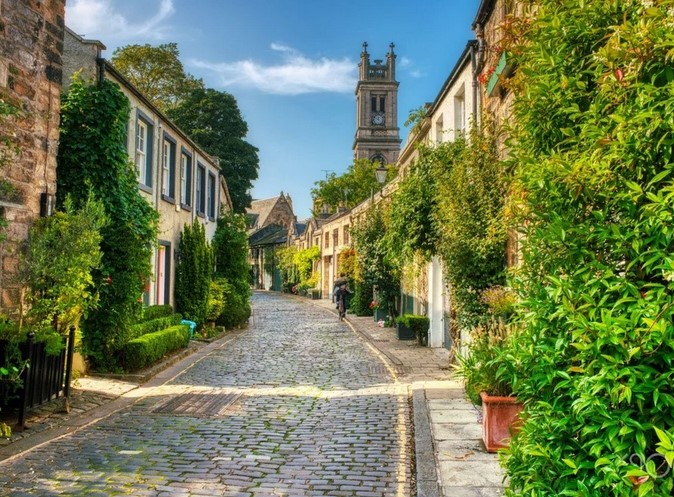
You are standing on a cobblestone street so polished by centuries of footsteps that it reflects the amber glow of the sunset like a mirror. Around you, the walls aren’t just stone and mortar; they are the physical archives of a civilization that thrived a thousand years before your smartphone was even a blueprint. Yet, here is the heartbreaking reality: nearly 25% of the world’s most significant heritage sites are currently threatened by urban encroachment or “over-tourism” that strips away their soul.
In my decade of traversing the globe, I’ve learned that exploring cultural historic towns is a delicate art. Most travelers treat these places like a movie set—a background for a selfie—rather than a living, breathing organism. I’ve sat with stone masons in Rhodes and tea masters in Kyoto, and I’ve realized that the “magic” isn’t in the monuments themselves, but in the technical continuity of the culture that keeps them standing.
The Living Museum: What Defines a Cultural Historic Town?
To a casual observer, a historic town is just “old.” But to a seasoned traveler, these locations are defined by their urban morphology—the way the streets, buildings, and open spaces tell a story of defense, trade, and social hierarchy.
Think of a historic town like a hand-me-down watch. It might have some scratches on the glass (weathered facades) and the strap might have been replaced (modern infrastructure), but the internal gears—the traditions, the layout, and the spirit—remain original. When you visit cultural historic towns, you aren’t just looking at the time; you are looking at the craftsmanship that makes time possible.
Beyond the Guidebooks: Hidden Gems of Antiquity
If you want to move from a beginner to an intermediate explorer, you need to look beyond the “Big Three” (Rome, Paris, Cairo). True immersion happens in the secondary towns where history hasn’t been completely sanitized for the masses.
1. Gjirokastër, Albania: The Stone City
While everyone flocks to the beaches of the Riviera, the mountain town of Gjirokastër remains one of the best-preserved Ottoman-era towns in existence.
-
The Insight: I spent a week here and realized that the “cold” feel of the stone houses is a technical marvel of passive cooling architecture. The slate roofs and thick limestone walls regulate temperature better than any modern HVAC system.
-
Cultural Marker: Look for the “Kulla” houses—fortified tower dwellings that tell a story of a time when your home was also your fortress.
2. Hoi An, Vietnam: The Merchant’s Harbor
This is a masterclass in architectural syncretism. Because it was a trading port from the 15th to the 19th century, you see Japanese bridges, Chinese assembly halls, and French colonial houses sitting side-by-side.
-
The Experience: I’ve found that the best way to see Hoi An isn’t during the famous Lantern Festival (which is beautiful but crowded), but at 5:00 AM. This is when the Intangible Cultural Heritage—the morning market rituals—comes to life before the tourist buses arrive.
3. Matera, Italy: The Sassi Evolution
Matera is one of the oldest continuously inhabited cities in the world. It’s famous for its cave dwellings carved directly into the calcarenite rock.
-
Technical Detail: The “Sassi” are a triumph of hydrological engineering. Even in the Iron Age, these people had a complex system of cisterns to collect rainwater, proving that “ancient” does not mean “primitive.”
Navigating the Technical Side: Preservation vs. Progress
When you visit cultural historic towns, you are stepping into a battleground. Preservation is expensive, and many towns struggle to balance their UNESCO status with the needs of modern residents.
-
Adaptive Reuse: This is a term you should know. It’s when a 16th-century granary is turned into a boutique hotel or a 14th-century church becomes a library. It’s the only way these towns survive financially.
-
Heritage Impact Assessments: These are technical audits done by organizations like ICOMOS. When you see a new bridge or building that looks “out of place,” it’s often because the town failed its heritage audit.
Expert Advice: How to Explore Responsibly
After ten years on the road, I’ve developed a “Manual of Ethics” for visiting sensitive sites.
Tips Pro: The “Back-Street” Strategy
Historic centers are often “hollowed out” by souvenir shops. To find the authentic heart of a town, look at a map and find the local post office or the hardware store. Residents live where they can buy lightbulbs and stamps, not where they can buy plastic magnets. Following the “utilitarian” path will always lead you to the real local tavern.
Avoid “Disneyfication.” If a town feels too perfect—if every building is the same shade of beige and there are no laundry lines or local kids playing—it has likely been turned into a “museumified” shell. Your presence there supports a theme park, not a community. Seek out the towns with a little “grit.”
Scannable Checklist for the Cultural Traveler
To make the most of your journey through the past, keep these technical points in mind:
-
Footwear Matters: This isn’t just about comfort; it’s about physics. Centuries-old cobblestones are slippery and uneven. Use shoes with Vibram soles or high-friction rubber to avoid a twisted ankle in a remote village.
-
Respect the Siesta: In many cultural historic towns (especially in Southern Europe and Latin America), towns “close” from 2:00 PM to 5:00 PM. This isn’t laziness; it’s a cultural rhythm. Don’t be the loud tourist banging on a closed cafe door.
-
Light and Photography: Historic architecture is best captured during the “Blue Hour”—the 30 minutes before sunrise or after sunset. The soft light brings out the textures of old stone that harsh midday sun flattens.
-
Local Guides: Always hire a local guide for at least one hour. Not a “tour company” guide, but a local resident. They can explain the oral history—the stories of who lived in which house during the war—which no plaque can provide.
The Sustainable Future of our Past
We often think of these towns as static, but they are constantly evolving. By visiting cultural historic towns and spending your money in family-owned guesthouses rather than international chains, you are providing the economic incentive for the next generation to stay and preserve their heritage.
Your travel choice is a vote for the survival of human history. When we lose a historic town to neglect, we don’t just lose buildings; we lose a specific way of being human that took a thousand years to perfect.
Conclusion: Becoming a Guardian of History
The beauty of traveling to the past is that it gives you a clearer perspective on the present. You realize that our modern problems—housing, water, community—have been solved before in ingenious ways. Cultural historic towns are the blueprints for human resilience.
So, on your next trip, don’t just “visit.” Observe the joinery in the wood, listen to the echo in the plaza, and ask the “why” behind the “what.”
Which historic town has left the deepest mark on your soul? Is there a place where you felt like you truly stepped back in time? Share your stories in the comments below—I’m always looking for a new “City of the Past” to add to my map.