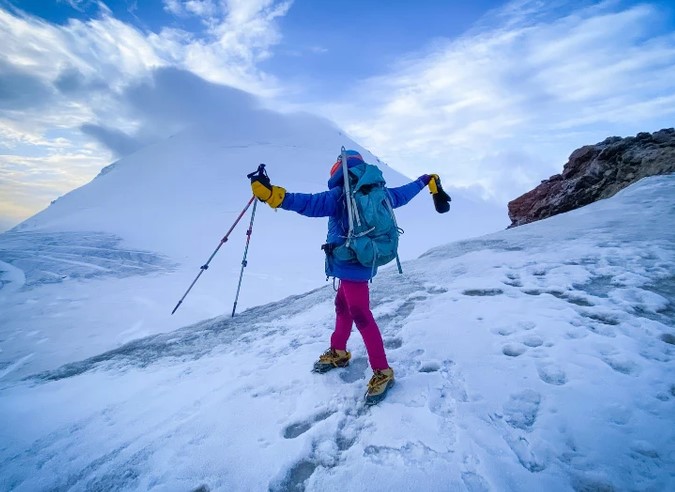
Imagine stepping off a freezing mountain pass after hours in sub-zero winds, your fingers numb despite double-lined gloves, only to open a heavy oak door and be met by the rich aroma of burning pine, crackling hearth fire, and aged fondue cheese. The sharp bite of winter air instantly gives way to an enveloping, deep-seated warmth that melts away every bit of physical exhaustion.
During my early years traveling across the world’s most formidable mountain ranges—from the jagged summits of the Swiss Alps to the deep powder bowls of the Canadian Rockies—I used to think any wooden cabin near a ski lift qualified as a cozy retreat. I was wrong.
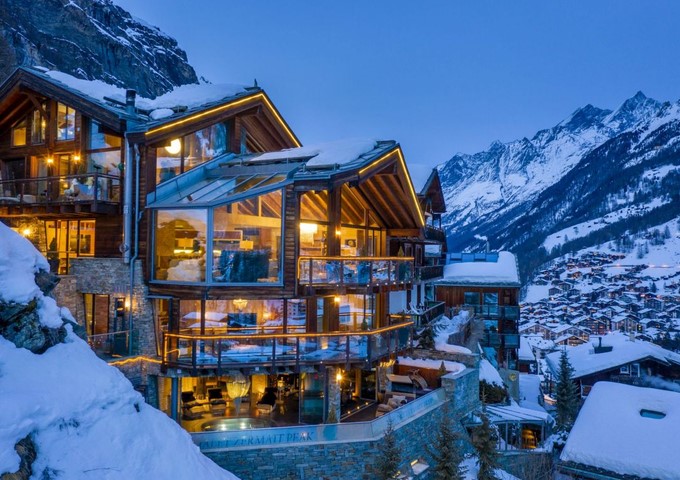
Over the past decade of testing high-altitude accommodations, I have learned that true luxury at 2.000 meters above sea level is an art grounded in engineering, hospitality, and atmosphere. Premier winter alpine lodges do not just offer a place to lay your head; they act as high-altitude havens engineered to protect, restore, and inspire you amidst harsh alpine elements.
If you are planning your first winter retreat or looking to upgrade your mountain experience, here is your comprehensive guide to finding and enjoying the ultimate alpine sanctuary.
What Sets Superior Winter Alpine Lodges Apart?
To the untrained traveler, two timber chalets covered in snow might look identical on a travel brochure. However, the operational realities at high altitude tell a vastly different story.
Think of a top-tier alpine lodge like a high-end thermos flask: on the outside, it withstands punishing freezing blizzards and extreme wind chills, but on the inside, it holds stable warmth, comfort, and vital nourishment without missing a beat.
Here are the key structural and operational pillars that separate ordinary chalets from elite alpine stays:
1. Thermal Envelope and Microclimate Engineering
Sub-zero temperatures demand advanced architectural insulation. Premier lodges utilize triple-glazed thermal glass, radiant underfloor heating powered by geothermal energy, and air circulation systems that maintain optimal indoor humidity without drying out your skin and respiratory tract.
2. Ski-In/Ski-Out Accessibility
True alpine luxury means zero friction between your living room and the snow. True ski-in/ski-out properties allow you to step directly from a heated boot room onto groomed trails, eliminating the hassle of carrying heavy gear onto crowded shuttle buses.
3. Integrated Recovery and Wellness Infrastructure
High altitude and intense cold place heavy physiological strain on your body. Elite lodges feature dedicated recovery zones equipped with Finnish saunas, outdoor heated hydrotherapy pools, and infrared cabins to reduce muscle soreness and accelerate recovery after a day on the slopes.
Top Global Alpine Destinations Worth Booking
Having spent countless winter nights in mountain stays around the world, three iconic regions consistently benchmark excellence in high-altitude hospitality.
| Destination | Alpine Character | Best Time to Visit | Standout Feature |
| Zermatt, Switzerland | Traditional Swiss heritage beneath the Matterhorn | December to April | Car-free village, glacier skiing, world-class fondue dining |
| Banff & Lake Louise, Canada | Raw wilderness meets grand timber architecture | January to March | Deep champagne powder, frozen turquoise lakes, outdoor hot tubs |
| Niseko, Japan | Ultra-modern luxury infused with Japanese Onsen culture | December to February | World’s lightest powder snow, mineral-rich hot springs, Kaiseki dining |
Navigating Alpine Logistics: Common Myths vs. Facts
Before booking your winter escape, it is critical to separate social media aesthetics from practical realities on the ground.
Myth: “Any lodge near a resort has ski-in/ski-out access.”
Fact: Many properties claim “close proximity to slopes,” which often means a 10-minute walk in stiff ski boots while carrying 15 kilograms of gear up an icy hill. Always check topographical maps or ask for exact distances to the nearest gondola lift.
Myth: “Indoor heating is all that matters for warmth.”
Fact: High-altitude air is extremely dry. Lodges that rely solely on forced-air heating create arid indoor environments that cause nosebleeds and poor sleep. Look for stays utilizing radiant floor heat and built-in humidification systems.
Myth: “Winter mountain roads are easy with a standard rental car.”
Fact: Mountain passes frequently require winter tires, snow chains, or 4WD/AWD capabilities by law during heavy snowfalls. Many high-altitude stays are accessible only via cable cars or tracked snow-cats.
Pro Tips for the Ultimate Alpine Retreat
After ten years of navigating snowdrifts, frozen locks, and altitude adjustments, here are my non-negotiable tips for booking winter alpine lodges:
Pro Tip: Request a south-facing room when booking your chalet. In winter, south-facing windows capture maximum natural sunlight, keeping your living space naturally bright and warm while offering breathtaking daylight views of surrounding peaks.
-
Prioritize heated boot-room amenities: Ensure your accommodation offers dedicated boot dryers and locker facilities. Slipping into warm, dry boots at 8:00 AM completely transforms your morning routine on the mountain.
-
Hydrate for altitude: High altitude accelerates dehydration due to lower air pressure and humidity. Drink double your standard water intake and pack electrolyte supplements to prevent altitude headaches.
-
Book private transfers during peak season: Mountain weather changes rapidly, leading to sudden rail or bus delays. Securing a local 4×4 driver experienced with winter mountain roads ensures safe, stress-free arrivals.
Hidden Warnings: Pitfalls Budget Chalets Won’t Mention
Discounted alpine accommodations often hide compromises that can turn a dream vacation into a frustrating experience:
-
Inadequate Hot Water Capacity: Cheap or older chalets often rely on small water heaters. After four people return from the slopes and take consecutive showers, the hot water supply runs completely dry.
-
Hidden Noise Pollution: Chalets located directly above busy aprè-ski bars or main snowplow routes can suffer from loud music until midnight and heavy machinery noise as early as 4:00 AM.
-
Altitude Sickness Vulnerability: Booking a stay above 2.500 meters without an acclimation strategy can lead to sleepless nights, nausea, and fatigue for first-time mountain visitors.
Claiming Your Winter Haven
There is an unmatched sense of magic in retreating to the mountains when the world outside is blanketed in deep snow. Choosing the right stay among premier winter alpine lodges elevates your getaway from a basic ski trip into a restorative journey filled with warmth, architectural beauty, and unforgettable alpine vistas.
Have you ever stayed in an alpine lodge nestled deep in the snow, or are you currently planning your very first winter escape? Share your favorite destinations or ask your travel questions in the comments below—I’d love to help you plan your next mountain adventure!