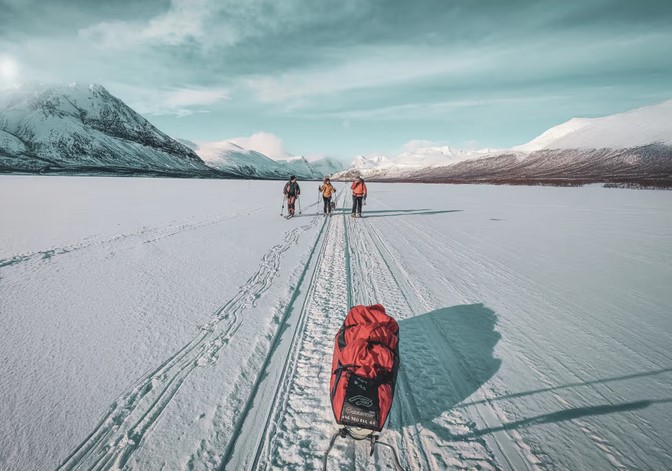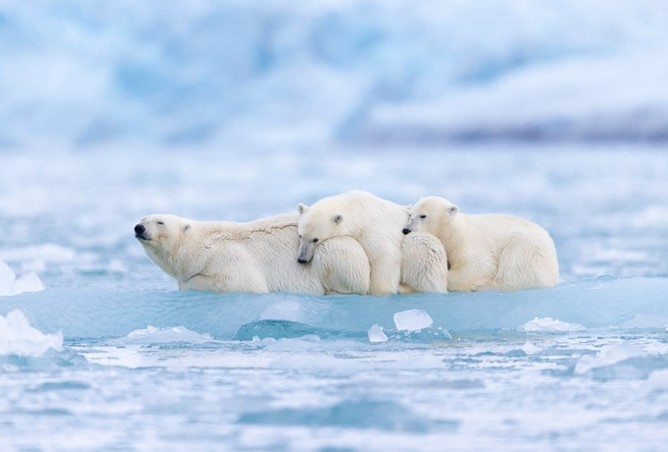
In the realm of extreme wildlife travel, few experiences rival the intensity and majesty of polar bear expeditions. Venturing into the Arctic to observe the planet’s largest land predator in its natural habitat is both a privilege and a profound responsibility. These journeys combine scientific insight, environmental awareness, and raw adventure, offering travelers an opportunity to witness polar ecosystems at the edge of the world. From drifting sea ice to tundra landscapes shaped by frost and wind, Arctic expeditions provide unparalleled access to one of Earth’s most fragile and awe-inspiring regions. This article explores the destinations, logistics, conservation considerations, and an innovative new model shaping the future of polar exploration.
The Arctic Frontier: Where Ice Meets Wilderness
The Arctic is not a singular destination but a vast circumpolar region spanning multiple countries and ecosystems. Among the most renowned locations for observing polar bears in the wild is Svalbard, a remote archipelago governed by Norway. Here, expedition vessels navigate icy fjords where polar bears roam between glaciers and frozen shorelines.
Another prominent destination is Churchill in Canada. Located along the western coast of Hudson Bay, Churchill is often referred to as the “Polar Bear Capital of the World.” During autumn months, bears congregate near the shoreline while waiting for sea ice to form, creating predictable viewing opportunities.
In Greenland, travelers encounter dramatic icebergs and expansive tundra, while remote regions of Russia also host polar bear populations across Arctic archipelagos. Each location presents unique terrain, climate conditions, and logistical frameworks, but all share a common feature: extreme remoteness.
Seasonal Timing and Wildlife Behavior
Understanding polar bear behavior is essential for successful expedition planning. Polar bears depend heavily on sea ice for hunting seals, their primary food source. Consequently, expedition timing often aligns with seasonal ice formation or melting patterns.
In Churchill, tours typically operate in October and November, when bears gather along the coast before freeze-up. In Svalbard, summer expeditions focus on coastal exploration via ice-strengthened ships, as retreating sea ice allows navigation into fjords and pack ice zones.
Beyond polar bears, Arctic expeditions may also include sightings of walrus, Arctic fox, beluga whales, and migratory seabirds. The broader ecological context enhances the educational value of these journeys, transforming wildlife observation into a comprehensive environmental learning experience.
Logistics and Safety in Extreme Conditions
Traveling in the Arctic demands meticulous preparation and professional guidance. Weather conditions can shift rapidly, with strong winds, subzero temperatures, and limited visibility posing significant challenges.
Expedition operators employ specialized equipment such as ice-class vessels, tundra buggies, and snowmobiles designed for harsh climates. Guides undergo rigorous safety training, including wildlife awareness protocols and emergency response procedures. Maintaining safe distances from polar bears is critical; encounters are carefully managed to minimize stress on animals and risk to travelers.
Clothing systems are equally important. Insulated, waterproof outer layers combined with thermal base garments help regulate body temperature. High-quality boots, gloves, and face protection prevent frostbite during extended outdoor observation sessions.
Environmental responsibility is central to Arctic travel. Strict regulations govern waste management, wildlife interaction, and vessel navigation. Organizations operating in Svalbard, for example, adhere to Norwegian environmental laws designed to protect fragile tundra vegetation and marine ecosystems.
Travel insurance with emergency evacuation coverage is strongly recommended, given the limited medical infrastructure in remote Arctic regions. Communication systems, including satellite phones and emergency locator beacons, provide essential connectivity in isolated environments.
Conservation and Climate Awareness
Polar bear expeditions are inherently linked to broader conversations about climate change. The Arctic is warming at a rate significantly faster than the global average, leading to reductions in sea ice extent and thickness. These changes directly impact polar bear hunting patterns and reproductive success.
Educational briefings are a standard component of reputable expeditions. Naturalists and scientists onboard often provide lectures on Arctic ecology, glaciology, and conservation policy. By integrating scientific context into the travel experience, operators aim to foster informed environmental advocacy among participants.
In regions like Svalbard and Churchill, research institutions collaborate with tourism operators to monitor bear populations and track migration patterns. Citizen science initiatives sometimes allow travelers to contribute observational data under professional supervision.
Sustainable expedition models prioritize reduced carbon footprints through optimized routing, low-emission technologies, and carbon offset partnerships. While Arctic travel inevitably involves long-distance flights, responsible planning can mitigate environmental impact and support conservation funding.
A New Vision: The Arctic Conservation Voyage Program
As awareness of Arctic vulnerability grows, a forward-thinking concept is emerging: the Arctic Conservation Voyage Program. This initiative proposes a hybrid expedition model that blends traditional wildlife observation with structured conservation engagement.
Participants would divide their time between guided bear-viewing excursions and supervised research activities. Under the guidance of marine biologists and climate scientists, travelers could assist in non-invasive data collection, such as documenting sea ice conditions, photographing identified bears for tracking databases, or monitoring seabird nesting sites.
Key features of the Arctic Conservation Voyage Program include:
- Small-group expeditions limited to reduce environmental impact
- Mandatory pre-departure sustainability training modules
- Onboard seminars led by Arctic researchers
- Post-expedition advocacy workshops encouraging long-term engagement
By transforming tourists into informed contributors, this model elevates wildlife travel beyond observation. The program could be piloted in established hubs like Churchill or Svalbard, where research infrastructure and conservation networks already exist.
Such integration strengthens the ethical framework of Arctic tourism. Rather than merely documenting climate change impacts, travelers become active participants in data collection and awareness-building initiatives.
The Arctic represents one of Earth’s final frontiers—a realm of silence, ice, and extraordinary wildlife. Witnessing polar bears against a backdrop of glaciers and frozen seas is an experience that leaves a lasting impression, blending adventure with environmental reflection. Through careful planning, strict safety measures, and unwavering respect for ecological boundaries, polar bear expeditions offer both inspiration and education. As innovative conservation-focused models continue to evolve, polar bear expeditions have the potential to become powerful platforms for global awareness—ensuring that future generations may also encounter these iconic Arctic predators in the wild landscapes they call home.