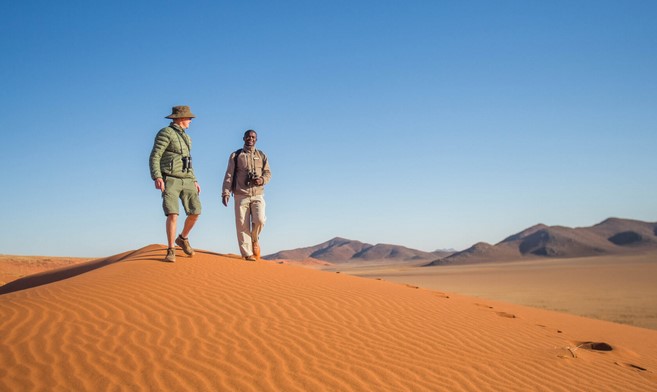
In an age defined by constant connectivity and fast-paced living, many travelers are seeking meaningful solitude in some of the world’s most remote landscapes. Among the most transformative experiences available today are solo desert adventures, journeys that immerse individuals in vast expanses of sand, silence, and sky. Far from urban distractions, deserts offer clarity, resilience-building challenges, and an unmatched sense of personal discovery. Whether traversing windswept dunes, camping beneath starlit horizons, or navigating ancient caravan routes, solo exploration in arid environments represents a powerful intersection of adventure and introspection. This article examines the appeal, preparation strategies, and future potential of independent desert travel for those ready to embrace the stillness of the dunes.
The Allure of the Desert Landscape
Deserts occupy nearly one-third of the Earth’s land surface, yet they remain among the least densely populated regions. Their vastness creates a rare opportunity for uninterrupted reflection and immersion in nature’s raw beauty.
From the rolling dunes of the Sahara Desert to the dramatic red rock formations of Wadi Rum in Jordan, desert terrains vary widely in color, texture, and geological structure. In Morocco, the Erg Chebbi dunes rise like golden waves against a cobalt sky. Meanwhile, the salt flats and arid valleys of Atacama Desert in Chile present an otherworldly landscape shaped by millennia of wind and minimal rainfall.
Solitude as a Transformative Experience
Unlike crowded tourist destinations, deserts naturally limit human presence due to extreme climate conditions. This isolation fosters a heightened awareness of one’s surroundings. The absence of artificial noise reveals subtle sounds—the whisper of shifting sand, distant wind currents, and the rhythmic crunch of boots against gravel.
For solo travelers, such conditions encourage mindfulness and resilience. Navigating terrain independently builds confidence, while adapting to fluctuating temperatures enhances self-reliance. Many participants describe a renewed sense of perspective after days spent disconnected from digital communication and immersed in expansive horizons.
Moreover, deserts offer unparalleled stargazing opportunities. With minimal light pollution, constellations appear in striking clarity. Night skies become immersive observatories, reinforcing the humbling scale of the natural world.
Preparation and Safety for Independent Exploration
While deserts offer profound rewards, they demand meticulous preparation. Environmental extremes require careful planning to ensure safety and sustainability.
Hydration management is paramount. Travelers must calculate water requirements based on temperature, physical exertion, and route duration. Lightweight filtration systems can be valuable when natural water sources are available, though many deserts require carrying full supplies.
Navigation skills are equally critical. GPS devices provide accuracy, but traditional map-and-compass knowledge remains essential in case of technical failure. Satellite communication tools enable emergency contact in remote regions without cellular coverage.
Clothing selection should prioritize sun protection and temperature adaptability. Breathable, long-sleeved garments shield skin from UV exposure while minimizing heat absorption. Layering systems accommodate drastic temperature drops after sunset, when desert climates can shift from scorching afternoons to near-freezing nights.
Travel permits and local regulations must also be reviewed in advance. Protected areas such as Wadi Rum enforce environmental guidelines to preserve fragile ecosystems. Engaging with local authorities or certified desert guides prior to departure enhances both safety and cultural understanding.
Beyond logistics, mental preparedness plays a significant role. Solo travel requires emotional resilience and the ability to remain calm in unpredictable conditions. Establishing a clear itinerary, sharing plans with trusted contacts, and setting realistic physical limits are best practices for responsible adventure.
Cultural and Ecological Awareness
Deserts are not empty voids but complex ecosystems and cultural landscapes shaped by centuries of human adaptation. Nomadic communities have thrived in arid regions by developing sophisticated survival strategies, from water conservation techniques to migratory livestock management.
In the Sahara Desert, Tuareg traditions emphasize hospitality and navigation expertise across shifting dunes. In Jordan, Bedouin heritage is deeply intertwined with the sandstone valleys of Wadi Rum. Respecting these cultural legacies requires adherence to local customs and environmental stewardship.
Ecologically, deserts support specialized flora and fauna uniquely adapted to harsh conditions. From drought-resistant shrubs to nocturnal mammals, these species rely on delicate ecological balances. Solo travelers should adhere to Leave No Trace principles—packing out waste, minimizing off-trail travel, and avoiding disturbance of wildlife habitats.
Understanding these dynamics enriches the solo experience. Rather than perceiving the desert as barren, travelers begin to recognize its subtle biodiversity and intricate survival networks.
A New Concept: The Desert Reflection Corridor
As interest in independent desert travel grows, a forward-thinking concept is emerging: the Desert Reflection Corridor. This innovative initiative envisions designated long-distance routes across protected desert landscapes, specifically designed for solo explorers seeking structured yet independent journeys.
The Corridor would combine clearly marked navigation points with eco-minimal infrastructure such as solar-powered emergency beacons, water cache stations, and low-impact rest shelters constructed from sustainable materials. Travelers would register digitally before departure, enabling authorities to monitor safety without intrusive supervision.
Key components of the Desert Reflection Corridor include:
- Tiered route options ranging from three-day treks to multi-week expeditions
- Educational modules accessible via offline mobile applications, detailing geology, astronomy, and indigenous history
- Carbon offset integration supporting desert conservation projects
- Guided reflection prompts encouraging mindfulness and journaling
This model balances solitude with responsible oversight. By establishing defined pathways, fragile ecosystems remain protected from random exploration, while participants retain the independence central to solo adventure.
Such an initiative could be piloted in regions like Morocco or Chile, where tourism infrastructure already exists yet vast unspoiled areas remain. The Desert Reflection Corridor represents a thoughtful evolution of adventure travel—prioritizing environmental care, personal growth, and safety in equal measure.
Standing alone amid sweeping dunes and endless horizons offers a rare opportunity for clarity and renewal. Deserts challenge physical endurance while rewarding travelers with profound silence, celestial brilliance, and a deeper understanding of resilience. Through careful preparation, cultural respect, and environmental responsibility, independent explorers can transform arid landscapes into spaces of discovery and reflection. As innovative concepts like the Desert Reflection Corridor take shape, solo desert adventures are poised to redefine experiential travel—inviting individuals to step beyond comfort zones, embrace solitude, and find meaning in the vast stillness of the sands.