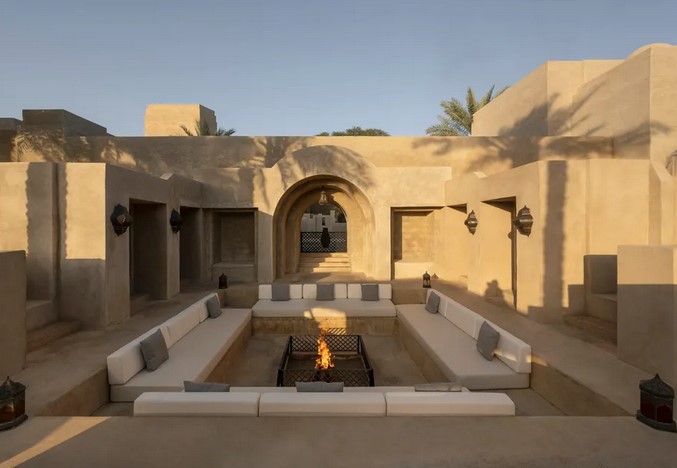
In the evolving world of experiential travel, discerning travelers are increasingly drawn to destinations that combine exclusivity, authenticity, and architectural distinction. Among the most captivating trends is the rise of boutique desert villas, private sanctuaries set amid sweeping dunes and vast, sunlit horizons. These properties redefine luxury by integrating refined design with the raw beauty of arid landscapes. Far removed from crowded urban resorts, desert villas offer tranquility, cultural immersion, and tailored service in some of the world’s most dramatic natural environments. This article explores the appeal, design philosophy, operational considerations, and an innovative future concept shaping the next generation of desert hospitality.
The Allure of Desert Seclusion
Deserts possess a timeless magnetism. Their expansive terrains, sculpted by wind and light, create an atmosphere of serenity and introspection. For travelers seeking privacy and exclusivity, few settings rival the golden dunes of the Sahara Desert or the cinematic sandstone valleys of Wadi Rum in Jordan.
In the United Arab Emirates, developments near Dubai have transformed desert landscapes into refined hospitality destinations. Meanwhile, remote regions of Morocco offer travelers access to Berber-inspired villas nestled between palm oases and rolling dunes.
Privacy Meets Panoramic Grandeur
What distinguishes boutique desert villas from conventional resorts is their emphasis on space and personalization. Rather than multi-story hotels with shared amenities, these properties typically feature standalone villas or low-density clusters designed to maximize privacy. Floor-to-ceiling windows frame uninterrupted desert vistas, while private plunge pools and shaded courtyards create seamless indoor-outdoor living.
The desert’s natural acoustics—marked by silence interrupted only by wind—enhance the sense of retreat. Sunrises cast warm hues across the sand, and evenings reveal expansive starlit skies largely unaffected by urban light pollution. This immersive connection to the environment forms the foundation of the boutique desert experience.
Beyond aesthetics, the desert environment fosters wellness. Many villas incorporate spa facilities, meditation decks, and curated activities such as guided dune walks or falconry demonstrations. The result is a holistic retreat blending cultural authenticity with modern comfort.
Architectural Design and Sustainability
Designing in desert environments requires careful attention to climate and ecology. Temperatures can fluctuate dramatically between day and night, demanding intelligent construction strategies that prioritize thermal efficiency.
Architects often draw inspiration from traditional desert dwellings. Thick adobe-style walls, shaded arcades, and wind towers are reinterpreted using contemporary materials. These passive cooling techniques reduce reliance on energy-intensive air conditioning systems.
Solar integration is another defining feature of modern boutique villas. With abundant sunlight year-round, photovoltaic panels can supply significant portions of operational energy needs. Water conservation systems, including greywater recycling and drip irrigation for landscaped areas, further enhance sustainability.
Interior design reflects regional heritage while maintaining international luxury standards. Locally sourced textiles, handcrafted ceramics, and artisanal woodwork create a strong sense of place. At the same time, premium bedding, climate control technology, and high-speed connectivity ensure comfort for global travelers.
Sustainability extends beyond construction. Responsible operators limit development density to preserve natural dunes and native vegetation. In protected areas like Wadi Rum, environmental regulations guide infrastructure placement and visitor capacity.
Experiential Programming and Cultural Integration
Luxury in desert settings is increasingly defined by curated experiences rather than material opulence alone. Boutique villas often provide bespoke itineraries that introduce guests to local history, cuisine, and ecology.
In Morocco, culinary experiences may include traditional tagine preparation workshops or tea ceremonies hosted by regional experts. Near Dubai, guests can explore conservation reserves dedicated to native wildlife such as Arabian oryx.
Adventure activities also enhance the appeal. Guided camel treks across the Sahara Desert, sunrise hot-air balloon rides, and 4×4 dune explorations offer dynamic perspectives of the terrain. For those seeking quiet reflection, private astronomy sessions capitalize on the desert’s remarkably clear night skies.
Cultural sensitivity is paramount. Boutique operators frequently collaborate with local communities, employing regional staff and sourcing ingredients from nearby farms or cooperatives. This approach not only enriches guest experiences but also supports economic sustainability.
A New Concept: The Desert Climate Sanctuary Villa Network
As climate consciousness becomes central to luxury travel, a forward-looking concept is emerging—the Desert Climate Sanctuary Villa Network. This initiative envisions a collection of ultra-sustainable villas strategically located in key desert regions such as Jordan, Morocco, and the United Arab Emirates.
The distinguishing feature of this network would be climate-positive operations. Each villa would incorporate advanced carbon-capture landscaping techniques using native desert flora known for efficient carbon sequestration. Renewable energy systems would exceed on-site consumption, enabling surplus energy contributions to nearby communities.
Guests would participate in structured environmental workshops covering desert ecology, water scarcity solutions, and regenerative tourism practices. Real-time sustainability dashboards displayed within villas would provide transparency regarding energy use, water savings, and carbon offsets achieved during each stay.
Key components of the Desert Climate Sanctuary Villa Network include:
- Modular architecture minimizing land disturbance
- Solar-powered desalination systems
- On-site research partnerships with desert ecologists
- Guest participation in habitat restoration initiatives
By integrating climate innovation into luxury hospitality, this model transforms boutique villas into educational and environmental hubs. Travelers depart not only refreshed but informed about desert sustainability challenges and solutions.
Desert landscapes, once perceived as inhospitable, are now celebrated as extraordinary settings for refined, immersive travel. Through thoughtful design, cultural engagement, and environmental responsibility, boutique desert villas offer an elevated alternative to traditional resort experiences. From the majestic dunes of the Sahara Desert to the protected valleys of Wadi Rum, these sanctuaries blend seclusion with sophistication. As innovative concepts like the Desert Climate Sanctuary Villa Network take shape, boutique desert villas are poised to redefine sustainable luxury—proving that comfort and conservation can coexist harmoniously amid golden sands.
